Than vs. Then: la differenza spiegata in 5 minuti
 Aggiungi a Chrome
TABLE OF CONTENTS
L’inglese ha molte parole quasi omofone che mettono in difficoltà anche chi parla fluentemente. Tra le più comuni ci sono “than” e “then”. Queste due parole differiscono per una sola lettera, eppure svolgono ruoli molto diversi nelle frasi. In questa guida rapida vedremo la differenza tra loro, alcuni consigli per ricordare quale usare e vari esempi per aiutarti a usarle correttamente.
TL;DR - La risposta in 30 secondi
THAN = Confronto (better than, more than, rather than)
THEN = Tempo/sequenza (back then, and then, if…:then)
Trucco di memoria: Than ha una A, come compArison. Then ha una E, come sEquence.

Che cosa significa “than”?
“Than” di solito è una congiunzione o una preposizione. Il suo scopo principale è introdurre un confronto, mostrando in che modo una cosa differisce da un’altra. Spesso segue aggettivi comparativi come “smaller” e “older”, oppure espressioni come “rather than” e “other than”.
Esempi reali:
- Your email response was faster than I expected. (professionale)
- This research methodology is more rigorous than previous studies. (accademico)
- She’d rather work remotely than commute two hours daily. (lavoro)
- The revised contract offers better terms than the original proposal. (business)
- He grew up to be taller than his father. (quotidiano)
Nota sulla scrittura formale: Il caso del pronome dopo “than” può dipendere dal fatto che il pronome sia soggetto o oggetto. Per esempio, “They like you more than her” significa che gli piaci più di quanto piaccia lei, mentre “They like you more than she does” significa che gli piaci più di quanto tu piaccia a lei. Rendere esplicito il verbo sottinteso aiuta a chiarire il significato voluto.
Che cosa significa “then”?
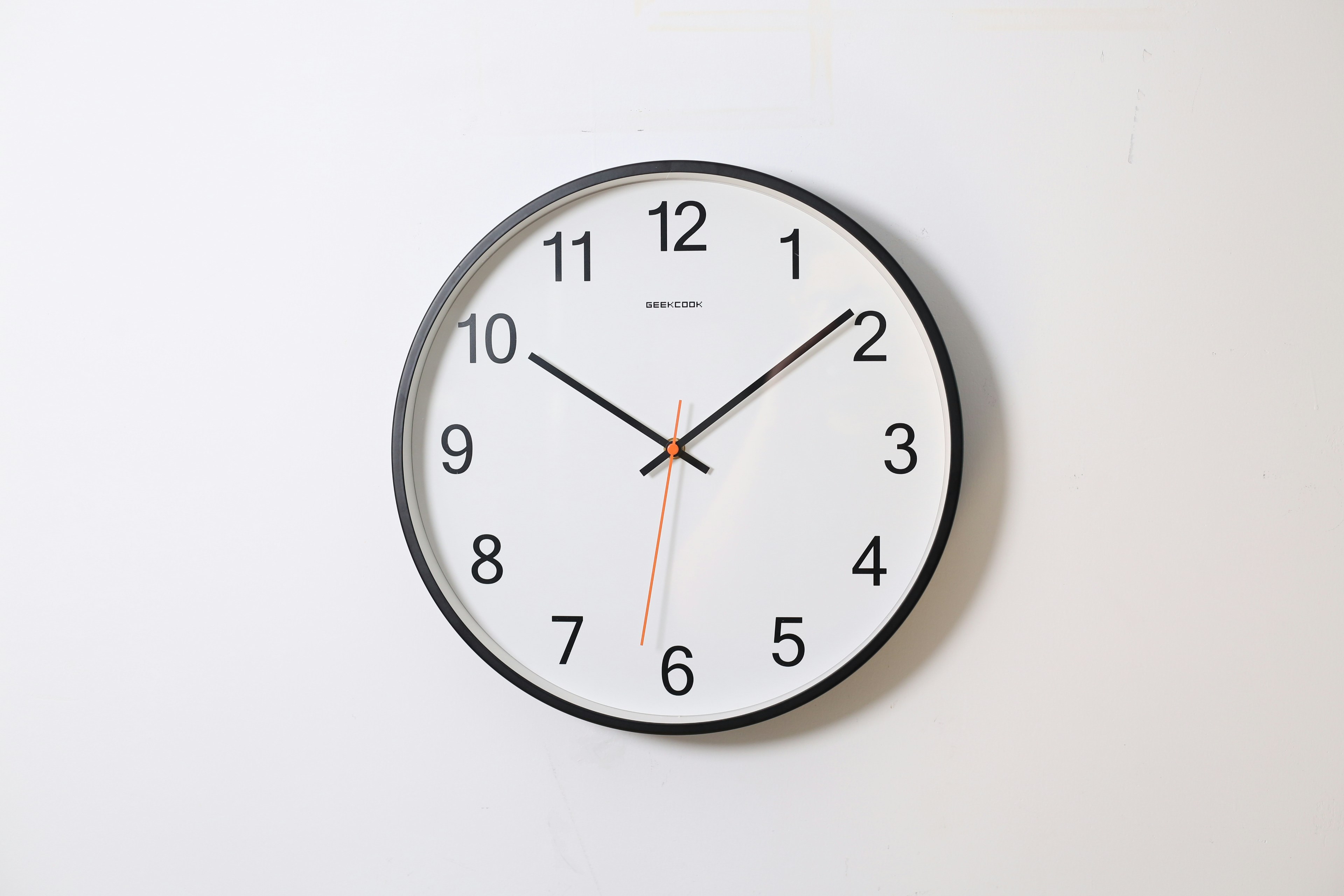
“Then” è principalmente un avverbio, anche se può funzionare anche come sostantivo o aggettivo. Il suo significato centrale riguarda tempo, sequenza, conseguenza o risultato logico. Risponde alla domanda quando? oppure mostra l’ordine in una serie di eventi. Può anche indicare una conseguenza logica (nelle costruzioni “if…then”) o significare “in quel caso”.
Esempi reali:
- Save your document, then close all applications before restarting. (tecnico)
- If the data shows a significant correlation, then we’ll proceed to the next phase. (ricerca)
- The campaign launched in June; since then, engagement has increased by 40%. (marketing)
- First, I’ll review your proposal, then schedule a meeting with the team. (business)
- Mike watched a movie and then went shopping. (quotidiano)
- Come sostantivo: Since then, Stan has drifted away from the group.
- Come aggettivo: The then treasurer was diligent about updating the files weekly.
Differenze principali a colpo d’occhio
| Than | Then |
|---|---|
| Introduce confronti | Si riferisce al tempo o alla sequenza |
| Usato con parole comparative (more, less, better, faster) | Indica quando accade qualcosa |
| Segue espressioni come “rather than” e “other than” | Mostra conseguenze logiche o significa “in quel caso” |
| Trucco di memoria: than/comparison hanno entrambi ‘a’ | Trucco di memoria: then/event hanno entrambi ‘e’ |
| Pensa: “different than” | Pensa: “what happens then?” |
Più tecniche di memorizzazione
Scegli il metodo più adatto al tuo stile di apprendimento:
- Associazione di lettere: than/compArison hanno ‘A’; then/sEquence hanno ‘E’
- Promemoria in rima: “If you’re comparing, use than. If you’re ordering events, use then.”
- Test di sostituzione:
- Sostituisci con “compared to” → se funziona, usa than
- Sostituisci con “at that time” o “next” → se funziona, usa then
- Trucco visivo: THAN ha frecce → < e > (simboli di confronto)
- Somiglianza sonora: “Than” suona come “compare-then” → ma elimina “compare” per la sequenza!
Errori comuni e come evitarli
Lo sapevi? Studi sulla scrittura online mostrano che la confusione “than/then” appare in circa il 2-3% di tutti i testi, rendendola uno dei 10 errori più frequenti in inglese. Anche gli scrittori professionisti ogni tanto sbagliano!
-
Confonderli nelle frasi con “if”: Usa “if…then” per conseguenze o risultati condizionali.
- ✓ If it rains, then we’ll stay inside.
- ✗ If it rains, than we’ll stay inside.
-
Dopo i comparativi: Parole come “more”, “less”, “older” e “better” si abbinano sempre a “than”.
- ✓ She is smarter than her brother.
- ✗ She is smarter then her brother.
- ✓ This solution is more cost-effective than outsourcing.
- ✗ This solution is more cost-effective then outsourcing.
-
Confondere “other than” con “other then”: Solo “other than” è corretto quando significa “eccetto” o “oltre a”.
- ✓ Other than chocolate, I don’t like sweets.
- ✗ Other then chocolate, I don’t like sweets.
- ✓ Other than the budget concerns, the proposal looks solid.
-
Confusioni nelle espressioni:
- Espressioni come “no sooner…than”, “rather than” e “more than ever” richiedono sempre “than”
- Espressioni come “then and there”, “until then”, “now and then” e “ok then” richiedono sempre “then”
-
Imbarazzi in email e messaggi: “I’ll send the report, than we can discuss” ✗ dovrebbe essere “then we can discuss” ✓
Pratica estesa: metti alla prova le tue abilità
Scegli la parola corretta per ogni frase:
Livello base:
- Sarah arrived earlier _____ expected.
- First, preheat the oven, _____ mix the ingredients.
- If you’re not ready, _____ we should postpone the meeting.
- This project is more challenging _____ the last one.
- Back _____, nobody had smartphones.
Livello intermedio:
- The client prefers email communication rather _____ phone calls.
- Submit your application by Friday; _____ you’ll hear back within two weeks.
- Our Q3 results were stronger _____ projected.
- The policy has been in effect since _____; compliance has improved significantly.
- If the prototype tests well, _____ we’ll move to full production.
Livello avanzato:
- No sooner had the meeting started _____ technical issues arose.
- The _____ CEO implemented several reforms before retiring.
- Other _____ minor formatting issues, the document is ready for publication.
- Now and _____, we review our processes for efficiency gains.
- This approach is less risky _____ the alternative, and _____ we won’t need additional insurance.
Risposte:
1.than | 2.then | 3.then | 4.than | 5.then | 6.than | 7.then | 8.than | 9.then | 10.then | 11.than | 12.then | 13.than | 14.then | 15.than, then
Com’è andata?
- 13-15 corrette: Livello esperto! Hai padroneggiato questa distinzione.
- 10-12 corrette: Buona comprensione. Ripassa le espressioni più insidiose.
- 7-9 corrette: Buone basi. Esercitati con i trucchi di memoria.
- Meno di 7: Concentrati sulla regola di base: confronto vs. sequenza.
Albero decisionale: ancora confuso?
La frase riguarda un confronto o una classifica?
    │
    ├─ SÌ → Usa THAN
    │   └─ Esempi: bigger than, more than, less than, rather than
    │
    └─ NO → Riguarda tempo, sequenza o conseguenza?
        │
        ├─ SÌ → Usa THEN
        │   └─ Esempi: and then, back then, if...then
        │
        └─ ANCORA INCERTO? → Prova il test di sostituzione:
            • Puoi sostituirlo con "compared to"? → THAN
            • Puoi sostituirlo con "after that"? → THEN
Scheda di riferimento rapido
Usa THAN quando:
- Fai confronti (taller than, more than, less than)
- Dopo aggettivi/avverbi comparativi
- In espressioni: rather than, other than, no sooner than
- Esprimi preferenza o differenza
- Segue “different”, “prefer”, “better”, “worse”
Usa THEN quando:
- Parli di tempo (back then, since then, until then)
- Mostri sequenza (first… then, and then)
- Indichi conseguenza (if… then)
- Significa “in quel caso” o “quindi”
- Descrivi ciò che è successo dopo
Espressioni da controllare:
- “More…than” ✓ | “More…then” ✗
- “If…then” ✓ | “If…than” ✗
- “Other than” ✓ | “Other then” ✗
- “And then” ✓ | “And than” ✗
Perché è importante
Confondere “than” e “then” può sembrare una cosa minore, ma influisce su come gli altri percepiscono la tua scrittura:
- Comunicazione professionale: Mescolare queste parole in email, report o presentazioni può indebolire la tua credibilità
- Scrittura accademica: Revisori e professori notano questi errori, che possono incidere sui voti
- Candidature di lavoro: Errori in CV e lettere di presentazione possono costarti opportunità di colloquio
- Comunicazione chiara: La scelta sbagliata può davvero cambiare il significato e creare confusione
Azzeccare la parola richiede pochi secondi di controllo, ma lascia un’impressione duratura.
Conclusione
Capire la differenza tra “than” e “then” è un piccolo investimento con grandi risultati. Ricordando che “than” confronta e “then” ordina in sequenza o colloca gli eventi nel tempo, eviterai una delle trappole più comuni dell’inglese. Gli esempi e i consigli qui sopra mostrano come queste parole si inseriscono nelle frasi quotidiane e in strutture più complesse. Che tu stia scrivendo un tema formale o un messaggio informale, prenderti un secondo in più per controllare quale parola si adatta renderà la tua scrittura più chiara, più forte e migliore che mai.
Consiglio pro: Prima di premere “invia” su email o documenti importanti, fai una ricerca rapida (Ctrl+F / Cmd+F) di “than” e “then” per verificare di aver usato correttamente ciascuna parola. Questa abitudine di 10 secondi può evitarti errori imbarazzanti.
Vuoi fare più pratica? Salva questa pagina tra i preferiti e torna alla sezione di esercizi ogni settimana finché la distinzione diventa automatica. Alla maggior parte delle persone servono circa 2-3 settimane di pratica consapevole prima che diventi naturale.