40 Korean Proverbs with Meanings, Romanization, and Examples
 Add to Chrome

TABLE OF CONTENTS
Starting is half the job, even Mount Geumgang waits until after lunch, and a word with no feet still travels a thousand li. Here are 40 Korean proverbs and what people really mean by them.
Korean proverbs are called 속담 (sokdam). They are different from 사자성어 (sajaseongeo), the four-character idioms borrowed from Classical Chinese, which deserve their own list. Every entry below gives the Hangul, a Revised Romanization reading, a literal translation, the real meaning, and one short example of how you might hear it. The romanization follows pronunciation rather than spelling, so 등잔 밑이 is written deungjan michi, not mit-i. When English has a close match, it’s included.
Every proverb here is a standard form listed in Korean proverb references. A few have common variants, and you may see a slightly different ending elsewhere.
Effort and Patience
-
시작이 반이다 (sijagi banida): “The start is half.” Getting started is the hardest part. English: “Well begun is half done.” Example: 오늘 첫 수업 들었어요. 시작이 반이에요! (I took my first class today. Starting is half the battle!)
-
티끌 모아 태산 (tikkeul moa taesan): “Gather specks of dust and you get a great mountain.” Small amounts add up, especially savings. English: “Many a little makes a mickle.” Example: 매일 커피값만 아껴도 티끌 모아 태산이에요. (Skipping one coffee a day adds up.)
-
열 번 찍어 안 넘어가는 나무 없다 (yeol beon jjigeo an neomeoganeun namu eopda): “No tree stays standing after ten chops.” Keep trying and you’ll get there, even with a person you’re trying to persuade. Example: 계속 부탁해 봐. 열 번 찍어 안 넘어가는 나무 없어. (Keep asking. Nobody holds out forever.)
-
공든 탑이 무너지랴 (gongdeun tabi muneojirya): “Would a tower built with care fall down?” Work done carefully and sincerely doesn’t go to waste. Example: 그렇게 열심히 준비했으니 걱정 마. 공든 탑이 무너지랴. (You prepared so hard. It won’t be for nothing.)
-
고생 끝에 낙이 온다 (gosaeng kkeute nagi onda): “At the end of hardship comes joy.” Good times follow hard ones. English: “After the storm comes the calm.” Example: 조금만 더 버텨요. 고생 끝에 낙이 온대요. (Hang in there. Joy comes after the hard part.)
-
지성이면 감천 (jiseongimyeon gamcheon): “With utmost sincerity, even heaven is moved.” Real devotion gets results. Example: 어머니가 매일 간호하셔서 아버지가 회복하셨대요. 지성이면 감천이에요. (Mom nursed Dad every day and he recovered. Devotion pays off.)
-
구슬이 서 말이라도 꿰어야 보배 (guseuri seo marirado kkweeoya bobae): “Even three mal (measures) of beads become a treasure only once they’re strung.” Talent or materials mean nothing until you finish and use them. Example: 아이디어가 많아도 실행해야죠. 구슬이 서 말이라도 꿰어야 보배예요. (Ideas are great, but you have to act on them.)
-
쇠뿔도 단김에 빼라 (soeppuldo dangime ppaera): “Pull out an ox horn while it’s still hot.” Once you’ve decided, do it right away. English: “Strike while the iron is hot.” Example: 결심했으면 오늘 신청해. 쇠뿔도 단김에 빼랬어. (If you’ve decided, sign up today.)
Caution and Common Sense
-
돌다리도 두들겨 보고 건너라 (doldarido dudeulgyeo bogo geonneora): “Tap even a stone bridge before you cross it.” Double-check even the things that look safe. English: “Better safe than sorry.” Example: 계약서 한 번 더 읽어 봐요. 돌다리도 두들겨 보고 건너라잖아요. (Read the contract once more. Better safe than sorry.)
-
소 잃고 외양간 고친다 (so ilko oeyanggan gochinda): “Fixing the barn after losing the cow.” Acting only after the damage is done. English: “Shutting the stable door after the horse has bolted.” Example: 해킹당하고 나서 비밀번호 바꾸는 건 소 잃고 외양간 고치기예요. (Changing your password after the hack is too little, too late.)
-
등잔 밑이 어둡다 (deungjan michi eodupda): “It’s dark under the oil lamp.” What you’re looking for is often closest to you. Example: 안경을 한참 찾았는데 머리 위에 있었어. 등잔 밑이 어둡다더니. (I searched forever for my glasses. They were on my head.)
-
낮말은 새가 듣고 밤말은 쥐가 듣는다 (nanmareun saega deutgo bammareun jwiga deunneunda): “Birds hear daytime words and mice hear night words.” Be careful what you say. Someone is always listening. English: “The walls have ears.” Example: 여기서 그 얘기 하지 마. 낮말은 새가 듣고 밤말은 쥐가 들어. (Don’t talk about that here. The walls have ears.)
-
발 없는 말이 천 리 간다 (bal eomneun mari cheolli ganda): “A mal with no feet travels a thousand li.” This is a pun, since 말 means both “word” and “horse.” Words spread fast and far, so speak with care. Example: 소문 조심해. 발 없는 말이 천 리 가. (Careful with rumors. Word travels fast.)
-
꼬리가 길면 밟힌다 (kkoriga gilmyeon balpinda): “A long tail gets stepped on.” Keep doing something wrong and you will eventually be caught. Example: 계속 거짓말하면 결국 걸려. 꼬리가 길면 밟히거든. (Keep lying and you’ll get caught eventually.)
-
아니 땐 굴뚝에 연기 날까 (ani ttaen gulttuge yeongi nalkka): “Would smoke rise from a chimney with no fire?” Rumors usually have some cause. English: “There’s no smoke without fire.” Example: 그 둘이 사귄다는 소문, 아니 땐 굴뚝에 연기 날까? (Those dating rumors? No smoke without fire.)
-
원숭이도 나무에서 떨어진다 (wonsungido namueseo tteoreojinda): “Even monkeys fall from trees.” Even experts make mistakes. English: “Even Homer nods.” Example: 셰프도 가끔 태워요. 원숭이도 나무에서 떨어지잖아요. (Even chefs burn things sometimes.)
-
바늘 도둑이 소도둑 된다 (baneul dodugi sododuk doenda): “A needle thief becomes a cow thief.” Small wrongs grow into big ones if nobody stops them. Example: 작은 거짓말도 습관 되면 안 돼. 바늘 도둑이 소도둑 된다. (Small lies turn into big ones.)
-
세 살 버릇 여든까지 간다 (se sal beoreut yeodeunkkaji ganda): “A habit from age three lasts until eighty.” Habits formed early stick for life. English: “Old habits die hard.” Example: 아이 양치 습관 지금 잡아 줘야 해요. 세 살 버릇 여든까지 가요. (Teach the brushing habit now. It sticks for life.)
People and Relationships
-
가는 말이 고와야 오는 말이 곱다 (ganeun mari gowaya oneun mari gopda): “Only if the words going out are kind are the words coming back kind.” Speak nicely and you’ll be spoken to nicely. English: “Treat others as you want to be treated.” Example: 먼저 친절하게 말해 봐. 가는 말이 고와야 오는 말이 곱지. (Be polite first. Kindness comes back.)
-
가재는 게 편 (gajaeneun ge pyeon): “The crayfish sides with the crab.” People take the side of those like them. English: “Birds of a feather flock together.” Example: 역시 동생 편을 드네. 가재는 게 편이야. (Of course you side with your brother.)
-
가까운 남이 먼 친척보다 낫다 (gakkaun nami meon chincheokboda natda): “A stranger nearby is better than a relative far away.” Neighbors are the ones who help in a pinch. English: “Better a neighbor near than a brother far off.” Example: 이웃이 아기 봐 줘서 살았어요. 가까운 남이 먼 친척보다 낫네요. (Our neighbor watched the baby. A near neighbor beats far-off family.)
-
백지장도 맞들면 낫다 (baekjijangdo matdeulmyeon natda): “Even a sheet of paper is easier when two people lift it.” Teamwork helps with any task, even an easy one. English: “Many hands make light work.” Example: 같이 치우자. 백지장도 맞들면 낫잖아. (Let’s clean up together. Many hands make light work.)
-
사공이 많으면 배가 산으로 간다 (sagongi maneumyeon baega saneuro ganda): “With too many boatmen, the boat goes up the mountain.” Too many people in charge leads to chaos. English: “Too many cooks spoil the broth.” Example: 결정은 한 사람이 해요. 사공이 많으면 배가 산으로 가요. (One person should decide. Too many cooks.)
-
사촌이 땅을 사면 배가 아프다 (sachoni ttangeul samyeon baega apeuda): “When your cousin buys land, your stomach hurts.” Jealousy of people close to you, said with a self-aware smile. Example: 친구 승진 소식에 좀 배 아팠어. 사촌이 땅을 사면 배가 아프다잖아. (My friend’s promotion stung a bit. Classic envy.)
-
열 손가락 깨물어 안 아픈 손가락이 없다 (yeol songarak kkaemureo an apeun songaragi eopda): “Bite any of your ten fingers and every one hurts.” Parents love each of their children just as much. Example: 누구를 더 좋아하냐고요? 열 손가락 깨물어 안 아픈 손가락 없어요. (Which child do I love more? Every finger hurts the same.)
-
고래 싸움에 새우 등 터진다 (gorae ssaume saeu deung teojinda): “When whales fight, the shrimp’s back bursts.” The weak get hurt in fights between the powerful. It is often used to describe Korea’s place between larger powers. Example: 두 부장님 싸움에 우리 팀만 고생이에요. 고래 싸움에 새우 등 터진다니까요. (Two managers fight and our team pays.)
-
윗물이 맑아야 아랫물이 맑다 (winmuri malgaya araenmuri makda): “The downstream water is clear only if the upstream water is clear.” Leaders set the standard for everyone below them. Example: 사장님부터 규칙을 지켜야죠. 윗물이 맑아야 아랫물이 맑아요. (Rules start with the boss.)
Food, Luck, and Getting What You Pay For
-
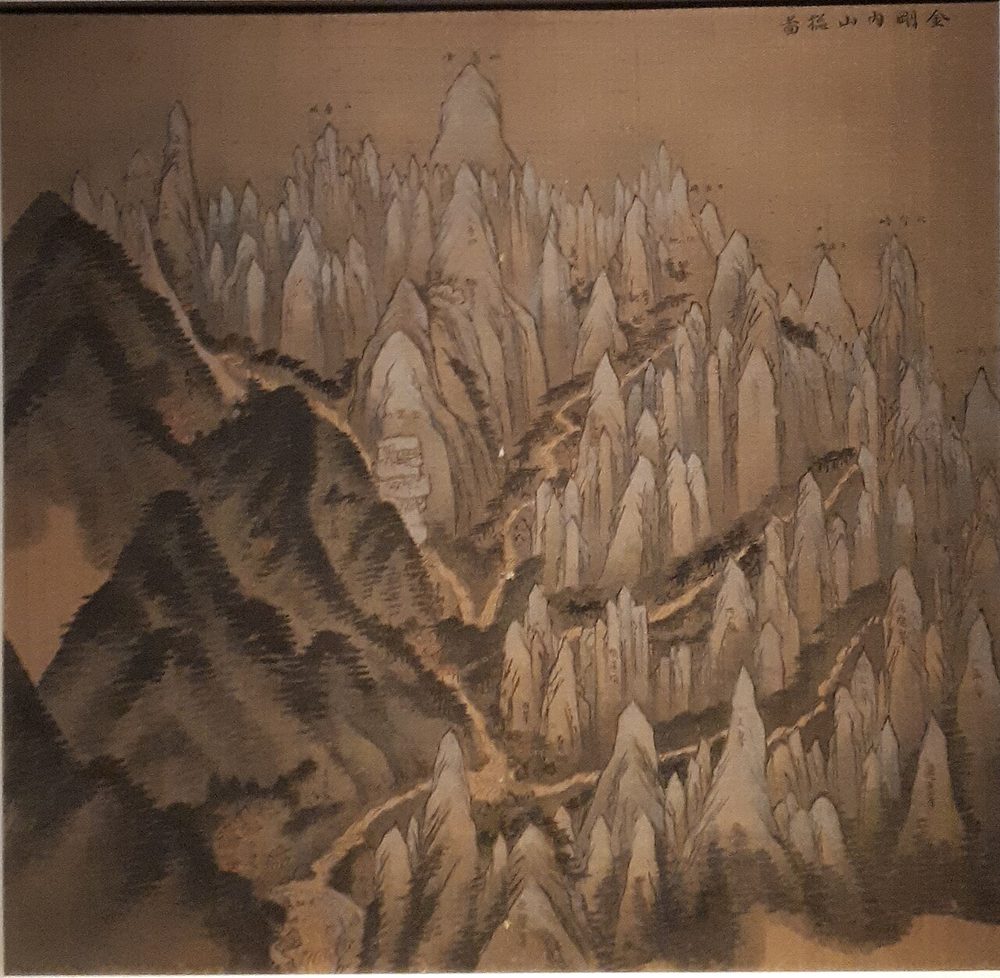
금강산도 식후경 (geumgangsando sikugyeong): “Even Mount Geumgang is sightseeing after eating.” Food comes first, even before the most beautiful view in Korea. People often say it as a joke when they’re hungry. Example: 구경은 나중에! 금강산도 식후경이야. (Sightseeing later! Food first.)
-
누워서 떡 먹기 (nuwoseo tteok meokgi): “Eating rice cake while lying down.” Something very easy. English: “A piece of cake.” Example: 이 문제는 누워서 떡 먹기예요. (This problem is a piece of cake.)
-
하늘의 별 따기 (haneurui byeol ttagi): “Picking a star from the sky.” Next to impossible, often said about jobs, tickets, or housing. Example: 콘서트 표 구하기가 하늘의 별 따기예요. (Getting concert tickets is next to impossible.)
-
떡 줄 사람은 생각도 않는데 김칫국부터 마신다 (tteok jul sarameun saenggakdo anneunde gimchitgukbuteo masinda): “You’re already drinking kimchi soup, but the person with the rice cake hasn’t even thought of giving you any.” Kimchi broth is traditionally sipped alongside rice cake, so you are getting ready for something nobody has offered. English: “Don’t count your chickens before they hatch.” Example: 아직 합격 발표도 안 났는데 김칫국부터 마시지 마. (Results aren’t out yet. Don’t count your chickens.)
-
싼 것이 비지떡 (ssan geosi bijitteok): “The cheap thing is a soy-pulp cake.” Cheap goods are cheap for a reason. 비지 (biji) is the leftover pulp from making tofu. English: “You get what you pay for.” Example: 만 원짜리 이어폰이 벌써 고장 났어. 싼 게 비지떡이야. (The cheap earbuds already broke. You get what you pay for.)
-
꿩 먹고 알 먹는다 (kkwong meokgo al meongneunda): “Eat the pheasant and eat the egg too.” Get two benefits from one action. English: “Kill two birds with one stone.” Example: 운동도 하고 출근도 하고, 자전거 출근은 꿩 먹고 알 먹기예요. (Biking to work is exercise and a commute in one.)
-
배보다 배꼽이 더 크다 (baeboda baekkobi deo keuda): “The belly button is bigger than the belly.” The extras cost more than the main thing. Example: 프린터는 싼데 잉크가 더 비싸요. 배보다 배꼽이 더 커요. (The printer is cheap but the ink costs more.)
Humor and Everyday Observations
-
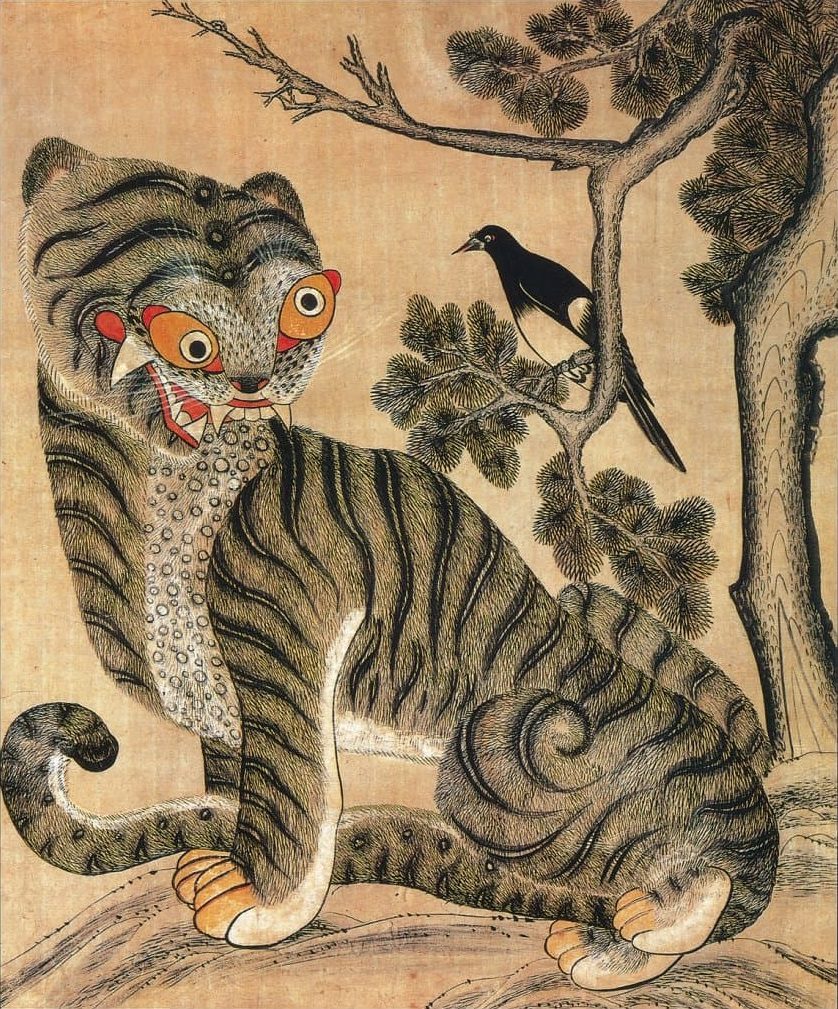
호랑이도 제 말 하면 온다 (horangido je mal hamyeon onda): “Even the tiger comes when you talk about it.” The person you’re talking about suddenly shows up. English: “Speak of the devil.” Example: 어, 민수 왔다! 호랑이도 제 말 하면 온다더니. (Oh, here’s Minsu. Speak of the devil!)
-
우물 안 개구리 (umul an gaeguri): “A frog in a well.” Someone with a narrow view who thinks their small world is everything. Example: 해외에서 일해 보니 내가 우물 안 개구리였어. (Working abroad showed me how narrow my view was.)
-
쇠귀에 경 읽기 (soegwie gyeong ilgi): “Reading scripture into an ox’s ear.” Advice that never sinks in. English: “Like talking to a brick wall.” Example: 아무리 말해도 안 들어. 완전 쇠귀에 경 읽기야. (He never listens. It’s like talking to a wall.)
-
빈 수레가 요란하다 (bin surega yoranhada): “An empty cart rattles loudly.” The people who know the least often make the most noise. English: “Empty vessels make the most noise.” Example: 말만 많고 실력은 없네. 빈 수레가 요란하다더니. (All talk, no skill.)
-
도둑이 제 발 저리다 (dodugi je bal jeorida): “The thief’s own feet go numb.” A guilty conscience gives itself away. Example: 아무도 안 물어봤는데 왜 변명해? 도둑이 제 발 저리네. (Nobody asked. Why are you making excuses?)
-
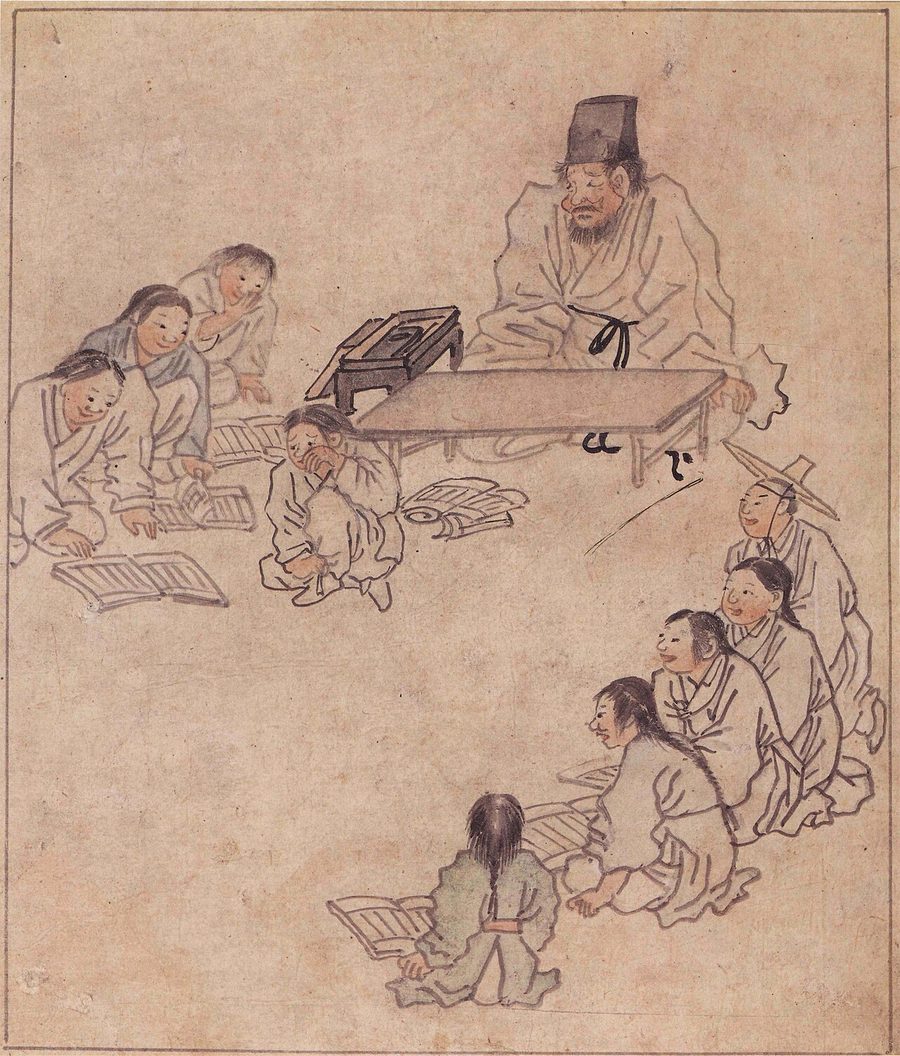
서당 개 삼 년이면 풍월을 읊는다 (seodang gae sam nyeonimyeon pungworeul eumneunda): “After three years at a village school, even the dog recites poetry.” Being around something long enough teaches you without trying. A 서당 (seodang) was a traditional village schoolroom. Example: 카페에서 3년 일했더니 원두 맛을 구별해요. 서당 개 삼 년이면 풍월을 읊는다잖아요. (Three years at a café and I can tell beans apart.)
How Korean Proverbs Work
A few patterns make 속담 easier to learn:
| Pattern | Example | What it does |
|---|---|---|
| Two halves joined by -아야/-어야 (“only if”) | 가는 말이 고와야 / 오는 말이 곱다 | Condition, then result |
| Two halves joined by -(으)면 (“if/when”) | 사공이 많으면 / 배가 산으로 간다 | Cause, then consequence |
| Ends in a noun | 티끌 모아 태산, 금강산도 식후경 | Easy to add -이에요/-예요 in speech |
| Ends in -기 (verb as noun) | 누워서 떡 먹기, 하늘의 별 따기 | Describes a kind of situation: “it’s like…” |
In conversation, Koreans often attach a quoting ending, such as -다잖아요 (“as they say”) or -다더니 (“just like they say”), as in several of the examples above. This makes a proverb sound casual rather than preachy.
Why Korean Proverbs Are Hard to Translate
Korean proverbs lean on things a literal gloss loses: puns (말 as both “word” and “horse”), old units like mal and li, foods like tteok and biji, and places like Mount Geumgang. A word-for-word translation can turn “even Mount Geumgang is after a meal” into nonsense. A good translation finds the matching idea, like “food first.”
If you put a proverb through a translator such as OpenL, check the result against the meanings above so the idea comes through, not just the words.
For more on the language itself, see our guide to Korean. For other proverb collections, try 40 Japanese proverbs and 40 Russian proverbs, or browse ancient proverbs from around the world.
Sources
- Category: Korean proverbs (Wiktionary): dictionary entries for standard Korean proverb forms and meanings
- Korean proverbs (Wikiquote): Hangul, transliteration, and English equivalents with book citations
- Standard Korean Language Dictionary (National Institute of Korean Language): official dictionary used to check proverb forms and definitions
- Romanization of Korean (National Institute of Korean Language): official Revised Romanization rules
- Korean Proverbs: 40 Sayings With Meanings and Audio (Learn Korean Hangul): usage notes and the two-half proverb structure
- 15 Korean Proverbs (Fluent in 3 Months): proverb forms checked against NIKL dictionaries, with usage caveats
- Four-character idiom (Wikipedia): background on Sino-Korean sajaseongeo as distinct from native proverbs
- Images: Danwon Seodang by Kim Hong-do (public domain); Album of Geumgangsan Mountain by Jeong Seon, photo by 이강철 (CC BY-SA 4.0); Minhwa tiger and magpie (public domain); cover icon from Twemoji (CC BY 4.0)