Mid-Autumn Festival: Mooncakes, Lanterns, and Greetings Across Asia
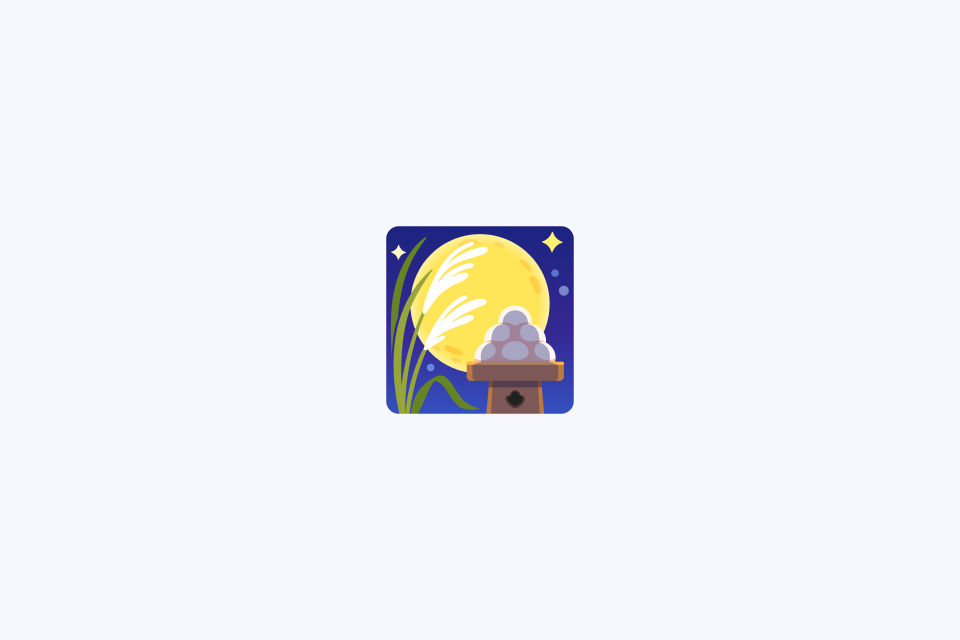
TABLE OF CONTENTS
The same full moon appears over China, Vietnam, Korea, and Japan on the fifteenth night of the eighth lunar month, but it does not produce the same festival: one tradition centers reunion, another children, another ancestors, and another the act of looking up.
Mid-Autumn Festival at a Glance
| Detail | Answer |
|---|---|
| Date in 2026 | Friday, September 25 |
| Calendar rule | Fifteenth day of the eighth month in East Asian lunisolar calendars |
| Related observances discussed | China’s Mid-Autumn Festival, Vietnam’s Tết Trung Thu, Korea’s Chuseok, and Japan’s Tsukimi |
| Shared themes | Full moon, autumn harvest, food offerings, family or community gathering |
| Different names | Mid-Autumn Festival, Tết Trung Thu, Chuseok, Tsukimi |
| Public holiday? | Yes in China and Korea; customs and legal holiday status differ elsewhere |
China’s State Council lists September 25-27 as the country’s 2026 Mid-Autumn public holiday. The festival itself falls on September 25. Vietnam’s Tết Trung Thu, Korea’s Chuseok, and Japan’s jūgoya Tsukimi connect to the same fifteenth night, but treating them as translations of one identical event hides what each culture emphasizes.
Why the Moon Defines the Festival
The date places the celebration near the autumn harvest and under a full moon. That creates a shared visual language: round foods, outdoor viewing, offerings from the harvest, and gatherings after dark.
In Chinese culture, the round moon is closely associated with family reunion. Mooncakes echo that circular form, and families share them while gathering for dinner or looking at the moon. Lantern displays add color to streets, parks, and community celebrations.
The moon is a common thread, not a universal script. Vietnam turns the night toward children and lantern processions. Korea gives greater weight to harvest gratitude and family ancestors. Japan pares the occasion back to moon viewing, seasonal offerings, and the beauty of the autumn sky.
How Celebrations Differ Across Asia
| Place | Local name | Main focus | What you see or do |
|---|---|---|---|
| China | 中秋节, Zhōngqiū Jié | Family reunion | Share mooncakes, gather for dinner, view the moon, visit lantern displays |
| Vietnam | Tết Trung Thu | Children and community | Carry star lanterns, watch lion dances, hear drums, share mooncakes and fruit |
| Korea | 추석, Chuseok | Harvest and ancestors | Return home, hold ancestral rites, visit family graves, make songpyeon, play folk games |
| Japan | お月見, Otsukimi or Tsukimi | Autumn moon viewing | Display round dango and pampas grass, offer seasonal produce, watch the moon |
China: Reunion in a round shape
In China, Mid-Autumn is a major family holiday. The fullest expression is not a parade but a table: relatives gather, divide mooncakes, and look at the same moon. Modern public celebrations may add large lantern installations, performances, and travel, but reunion remains the organizing idea.
Moon legends also sit close to the holiday, especially stories about Chang’e, the moon goddess, and the Jade Rabbit. They give the moon a cast of characters, while the family meal gives the festival its everyday center.
Vietnam: A festival for children
VietnamPlus describes Vietnam’s Mid-Autumn Festival as distinctively child-centered. Tết Trung Thu fills streets with star-shaped lanterns, papier-mâché masks, lion heads, drums, and lion dances. Children carry lanterns after dark and receive mooncakes, toys, or fruit.
The atmosphere is louder and more public than a quiet moon-viewing evening. A red or multicolored star lantern moving through a drumbeat is the memory point: in Vietnam, the moon belongs as much to the children in the street as to the families around a table.
Korea: Harvest, ancestors, and homecoming
Chuseok is one of Korea’s largest holidays. The Korea Tourism Organization describes families returning to their hometowns, honoring ancestors through charye, visiting family graves through seongmyo, and sharing newly harvested food.
The night can also include ganggangsullae, a circle dance traditionally performed by women under the full moon. Its shape mirrors the moon and turns the harvest celebration into a moving ring of joined hands.
Japan: Look at the moon itself
Japan’s Tsukimi literally means “moon viewing.” Nippon.com traces the autumn custom back more than a thousand years and describes offerings arranged near a veranda or window: round tsukimi-dango, susuki pampas grass, taro, chestnuts, edamame, or other seasonal produce.
Japan does not treat Tsukimi as a nationwide family travel holiday comparable to Chuseok. The focus is the view: decorate a place facing the sky, set out harvest offerings, and pause for the moon. In Japanese folklore, the markings on that moon resemble a rabbit pounding mochi rather than a man in the moon.
Mooncakes and Other Festival Foods
The foods make the cultural differences easy to remember:
| Tradition | Festival food | Shape or meaning |
|---|---|---|
| China | Mooncake | Round cakes shared for reunion; fillings vary by region |
| Vietnam | Bánh trung thu | Baked or soft-skinned mooncakes often presented with fruit and tea |
| Korea | Songpyeon | Half-moon rice cakes filled with sesame, beans, red beans, or chestnuts and steamed over pine needles |
| Japan | Tsukimi-dango | Round rice dumplings displayed as full-moon offerings |
Korea provides the table’s surprise: its signature Chuseok food is a half-moon, not a full one. Korea Tourism Organization notes that families traditionally make songpyeon together and steam the cakes over pine needles, which add their scent. Japan’s dango, by contrast, deliberately repeat the full moon’s round form.
“Mooncake” is also a broad category, not one universal recipe. Regional Chinese styles differ in crust, sweetness, and fillings, while Vietnamese mooncakes include their own baked and soft-skinned forms. Translate the local name when the distinction matters instead of replacing every festival pastry with the generic word cake.
Mid-Autumn Greetings in Different Languages
| Language | Greeting | Romanization | English meaning |
|---|---|---|---|
| Chinese | 中秋节快乐 / 中秋節快樂 | Zhōngqiū Jié kuàilè | “Happy Mid-Autumn Festival.” |
| Vietnamese | Chúc bạn Tết Trung Thu vui vẻ! | — | “Wishing you a happy Mid-Autumn Festival!” |
| Korean | 즐거운 추석 보내세요 | Jeulgeoun Chuseok bonaeseyo | “Have a happy Chuseok.” |
| Japanese | お月見を楽しんでください | Otsukimi o tanoshinde kudasai | “Please enjoy moon viewing.” |
The distinction in the Japanese row matters. For an event invitation, a sentence about enjoying the moon fits the activity more directly than translating the English “Happy [holiday]” template word for word.
The Chinese language guide helps with tones and characters in Zhōngqiū Jié kuàilè. For the other greetings, keep Vietnamese diacritics intact and check Korean honorific level against the audience; the Vietnamese and Korean guides explain why those details change pronunciation and tone.
When publishing a multilingual event page or greeting campaign, OpenL can help translate the surrounding copy while you keep local festival names such as Tết Trung Thu, Chuseok, and Tsukimi consistent.
One Moon, Four Centers
The easiest way to remember the comparison is to give each tradition one center: reunion in China, children in Vietnam, ancestors and harvest in Korea, and moon viewing in Japan. The borders are not absolute, but the pattern explains why four celebrations on the same lunar night can feel so different.
Use the local name when you can. “Mid-Autumn Festival” is a useful umbrella in English; Tết Trung Thu, Chuseok, and Tsukimi tell readers which cultural world they are entering.
Sources
- State Council of China: 2026 public holiday schedule — Confirms the September 25-27 Mid-Autumn holiday period in China.
- Encyclopaedia Britannica: Mid-Autumn Festival — Covers family reunion, mooncakes, lanterns, and the Chang’e tradition in China.
- VietnamPlus: Key Differences Between Vietnam’s Mid-Autumn Festival and Those in Other Asian Countries — Compares Vietnamese customs with celebrations in China, Korea, and Japan.
- Korea Tourism Organization: Traditional Korean Holiday of Bountiful Harvest, Chuseok — Documents Chuseok’s harvest meaning, ancestral rites, folk games, and foods.
- Nippon.com: Tsukimi, the Japanese Tradition of Autumn Moon Viewing — Explains jūgoya, harvest gratitude, moon-viewing decorations, dango, and pampas grass.