October Festivals Around the World: 7 Traditions and Greetings
TABLE OF CONTENTS
October’s calendar stretches from nine nights of Navratri to harvest dinners, ancestor remembrance, jack-o’-lanterns, and ofrendas. The dates below show when seven major October 2026 events fall and which local words help you greet people without turning every holiday into the same autumn party.
October Festivals at a Glance
| 2026 date | Festival | Where | What to remember | Language cue |
|---|---|---|---|---|
| October 11–19 | Sharad Navratri | India and Hindu communities worldwide | Nine nights of Goddess worship; ends before Dussehra | Hindi |
| October 12 | Thanksgiving Day | Canada | Second Monday of October; harvest meal and gratitude | English / French |
| October 18 (public holiday Oct 19 in Hong Kong) | Chung Yeung / Double Ninth | Greater China, Hong Kong, Taiwan | Climb high, chrysanthemums, ancestor visits | Chinese |
| October 20 | Dussehra / Vijayadashami | India (regional dates vary) | Victory of good over evil; Ramlila and Ravana effigies | Hindi |
| October 24 | United Nations Day | Worldwide | Marks the 1945 entry into force of the UN Charter | Multilingual |
| October 31 | Halloween | Many countries | Costumes, jack-o’-lanterns, trick-or-treat | English |
| October 31–November 2 | Día de Muertos | Mexico and Mexican communities | Ofrendas, marigolds, remembrance (main days Nov 1–2) | Spanish |
Religious festival dates follow lunar calendars and local custom. Confirm the organizer’s date before you publish an invitation, travel post, or event page.
Seven October Festivals to Know
Sharad Navratri: Nine Nights Before Victory
Sharad Navratri in 2026 runs from Sunday, October 11, through Monday, October 19. The nine nights honor forms of the Goddess (Devi); households and communities often mark each day with prayer, fasting rules that vary by family, and in many regions garba or dandiya dances.
A practical greeting is Shubh Navratri (शुभ नवरात्रि, “auspicious Navratri”) or Navratri ki hardik shubhkamnayein (“heartfelt Navratri wishes”). Keep Navratri unchanged in English headlines; a vague label such as “nine-day autumn festival” hides the religious frame readers expect.
Canadian Thanksgiving: A Monday Harvest Holiday
Canada observes Thanksgiving Day on the second Monday of October. In 2026 that is Monday, October 12. It is a statutory holiday in most provinces and a day for family meals and expressions of gratitude, distinct from the late-November U.S. Thanksgiving.
In English, Happy Thanksgiving works for cards and greetings. In French Canada, prefer Joyeux Action de grâce (or Bon Action de grâce) rather than borrowing the U.S. English name alone. If you translate menus or invitations, keep the holiday name Action de grâce in French copy so readers do not confuse the Canadian date with the American one.
Chung Yeung: Climb High on the Double Ninth
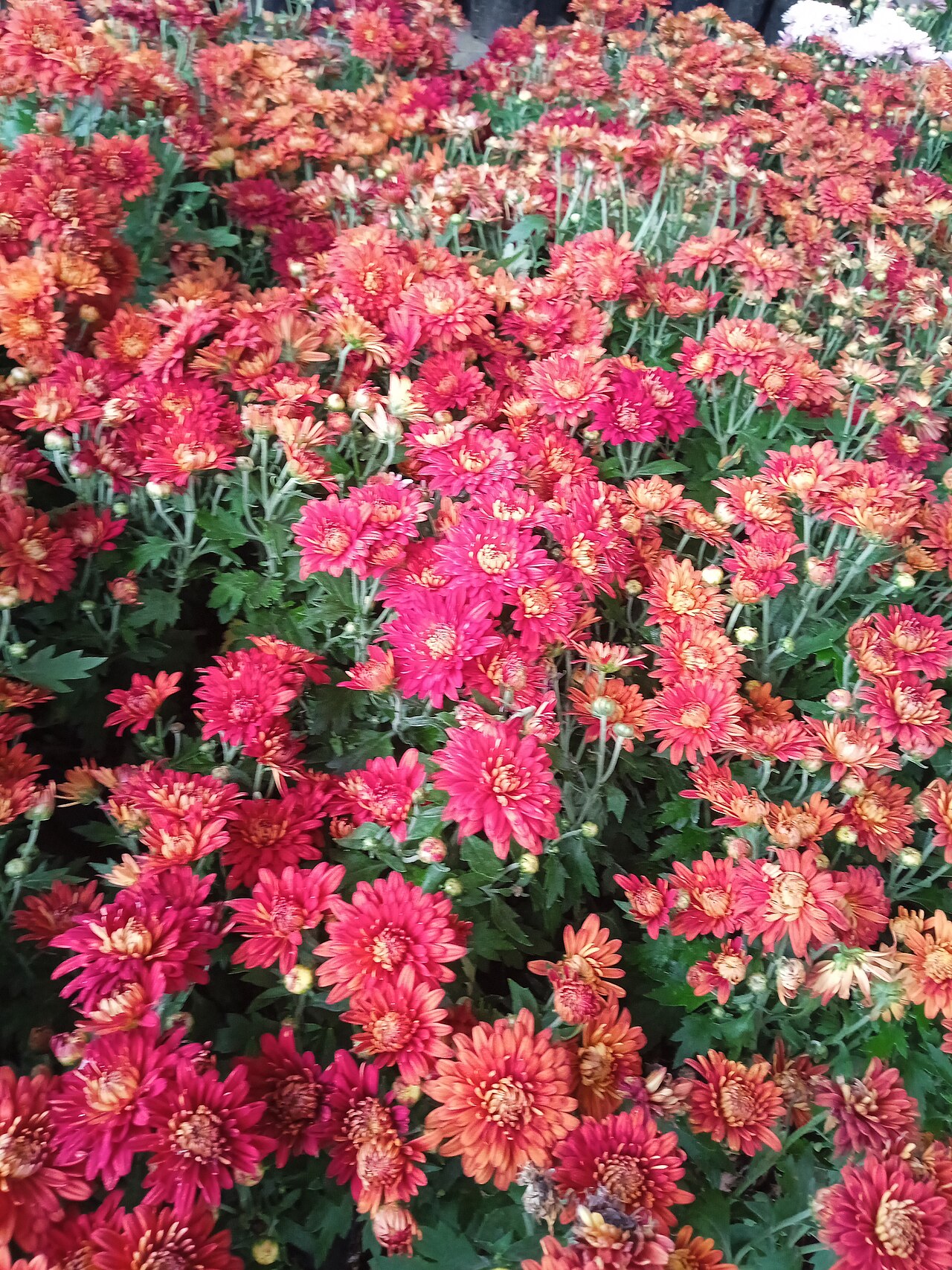
The Chung Yeung Festival (重陽節), also called the Double Ninth Festival, falls on the ninth day of the ninth lunar month. In 2026 that is Sunday, October 18. Hong Kong’s government gazettes the general holiday on Monday, October 19, because the festival itself lands on a Sunday.
Traditional customs include climbing a hill or mountain (deng gao), drinking chrysanthemum tea or wine, and visiting ancestors’ graves. A clear greeting is Chung Yeung jie kuai le (重陽節快樂, “Happy Chung Yeung Festival”) or a shorter wish for safety when climbing. Keep Chung Yeung or Double Ninth as the proper name; “Chinese autumn hiking day” is not how locals label the holiday.
Dussehra: The Tenth Day
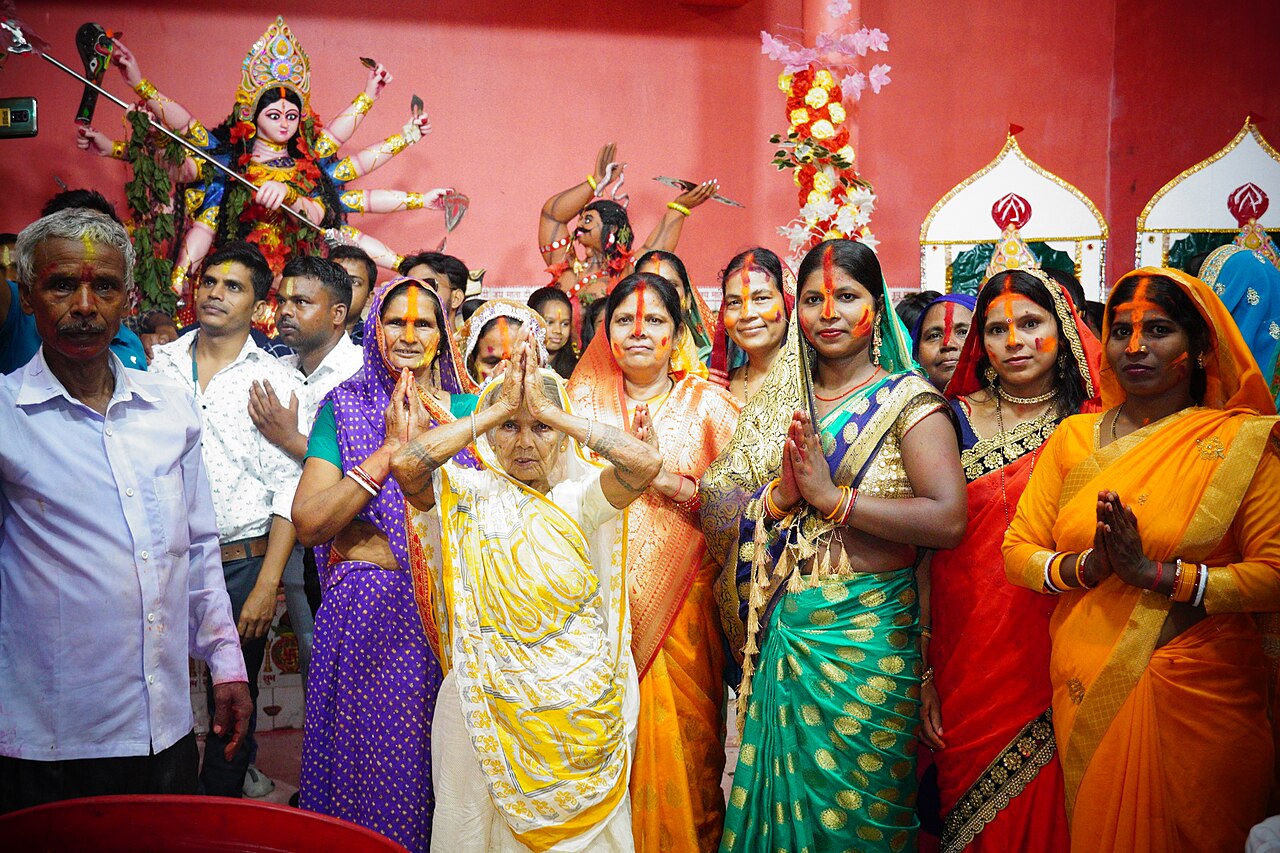
Dussehra (also Vijayadashami or Dasara) is a gazetted holiday in India on Tuesday, October 20, 2026, according to Time and Date’s India calendar. It marks the victory of good over evil—often told through Rama’s victory over Ravana and, in other regions, Durga’s victory over Mahishasura. Many cities stage Ramlila performances and burn Ravana effigies in the evening.
Because the Dashami tithi can span two Gregorian dates, some regional calendars (for example Bengal’s Bijoya Dashami) observe Vijayadashami on October 21. State the region when you publish a date.
A common greeting is Shubh Dussehra (शुभ दशहरा) or Vijayadashami ki shubhkamnayein. Do not swap in “Happy Halloween” for Indian audiences on the same calendar week; the festivals share an autumn slot, not a shared meaning.
United Nations Day: One Date, Many Languages
United Nations Day falls every year on October 24. It marks the 1945 entry into force of the UN Charter, when the United Nations officially came into being. The General Assembly later encouraged Member States to observe the day and raise awareness of the Organization’s work.
There is no single “must use” greeting. Event copy often stays in the audience language—Happy United Nations Day in English, or an equivalent local phrase—while keeping United Nations Day or the UN’s own naming. Multilingual posters are a natural fit: list the observance name once, then translate the call to action, not the Charter history, into every language on the page.
Halloween: Costumes, Not a Universal Public Holiday
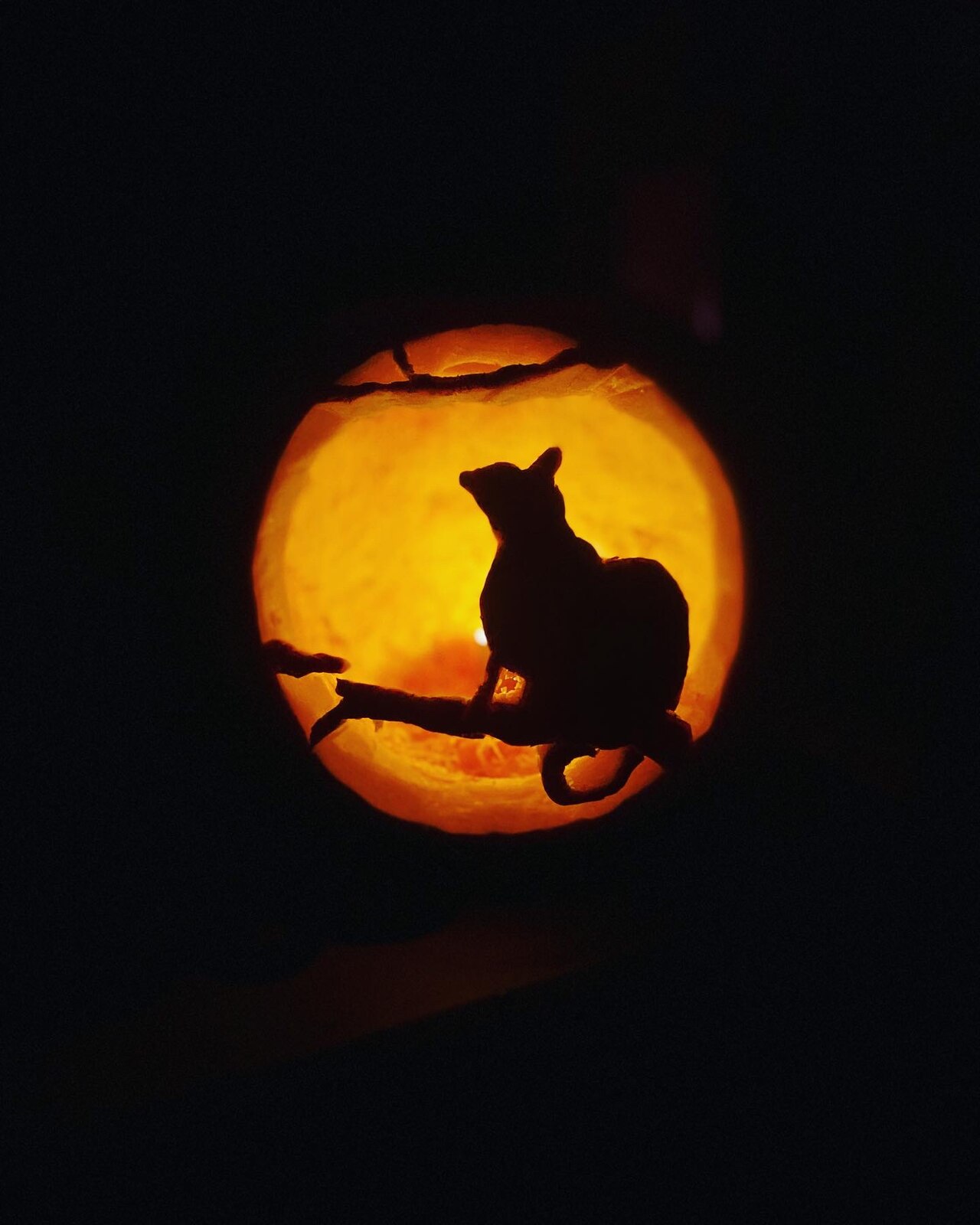
Halloween is observed on October 31 every year. In 2026 it falls on a Saturday. Many communities hold costume parties, carve jack-o’-lanterns, and run trick-or-treat hours; it is usually not a nationwide public holiday.
Happy Halloween is the default English greeting. Trick or treat is a doorstep formula, not a card message. When you translate for mixed audiences, say whether an event is a children’s trunk-or-treat, an office costume party, or a horror film night—those are different social scripts even if they share a date.
Día de Muertos: Remembrance That Begins in Late October
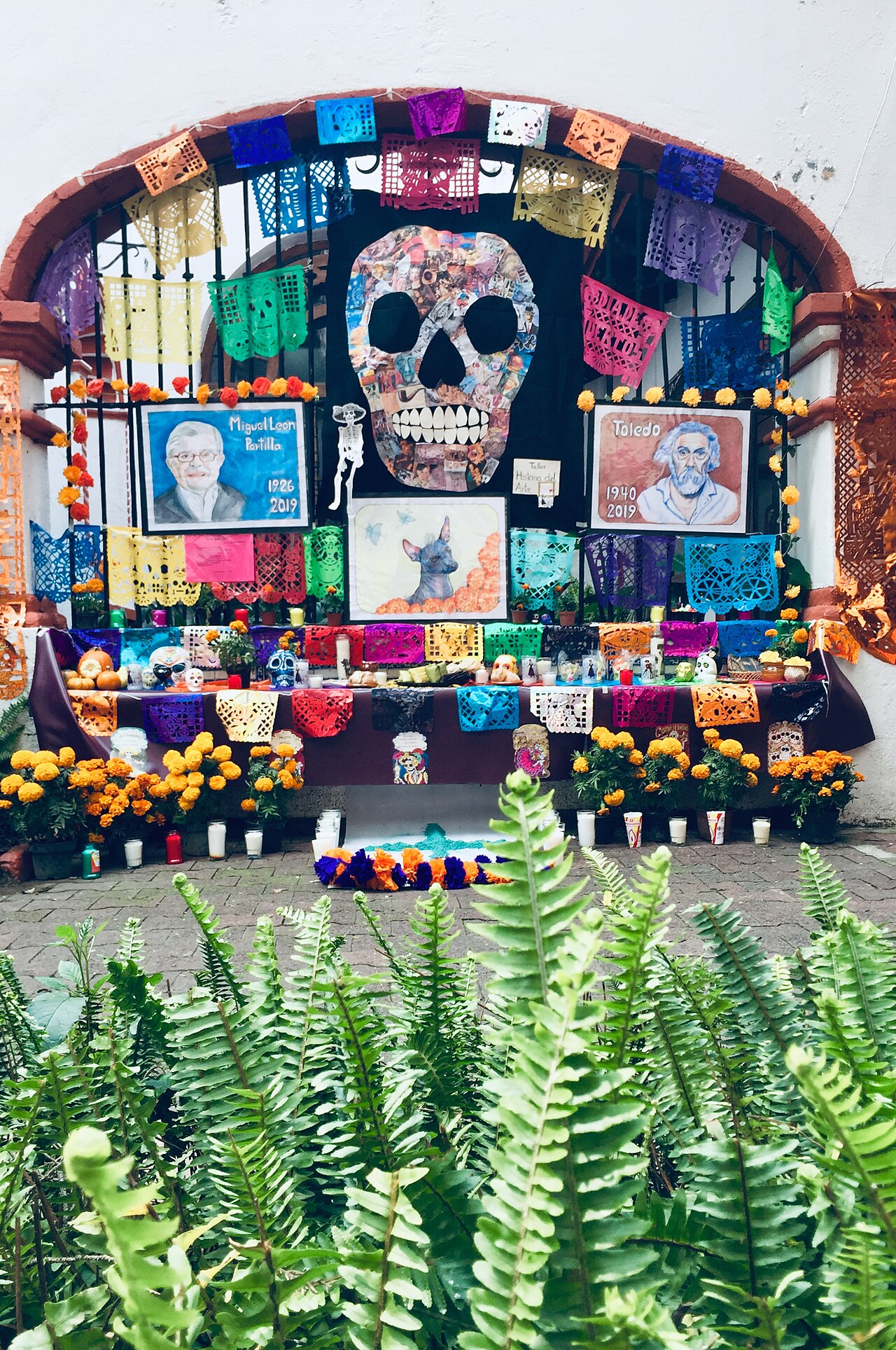
Mexico’s Día de Muertos (Day of the Dead) centers on November 1 (often associated with children / angelitos) and November 2 (adults). Public ofrendas, cempasúchil (marigold) displays, and city events commonly begin in late October. In Mexico City, official tourism programming for 2026 includes major public ofrendas and a grand parade on Saturday, October 31.
UNESCO recognizes the indigenous festivity of Day of the Dead as Intangible Cultural Heritage. Treat it as remembrance and hospitality for the dead, not as a Spanish-language Halloween. A respectful line on a card or exhibit label is simply Día de Muertos with a short English gloss; Feliz Día de Muertos appears in greetings, but tone matters—match solemn family practice, not costume-party cheer.
Festival Greetings That Need Context
| Festival | Local phrase | Rough pronunciation | Meaning or use |
|---|---|---|---|
| Sharad Navratri | शुभ नवरात्रि / Shubh Navratri | shoobh nuv-RAA-tree | Auspicious / Happy Navratri |
| Canadian Thanksgiving (EN) | Happy Thanksgiving | — | Standard English greeting |
| Canadian Thanksgiving (FR) | Joyeux Action de grâce | jwah-YUH ak-SYON duh GRAHSS | Happy Thanksgiving (Canadian French) |
| Chung Yeung | 重陽節快樂 / Chung Yeung jie kuai le | chung yeung jyeh kwai luh | Happy Chung Yeung Festival |
| Dussehra | शुभ दशहरा / Shubh Dussehra | shoobh duh-SHEH-rah | Happy / auspicious Dussehra |
| United Nations Day | Happy United Nations Day | — | English event greeting; localize as needed |
| Halloween | Happy Halloween | — | General greeting (not trick-or-treat) |
| Día de Muertos | Día de Muertos / Feliz Día de Muertos | DEE-ah deh MWER-tos | Day name; “Feliz…” only when a cheerful greeting fits |
The table mixes blessings, holiday names, and party greetings because October festivals do not share one speech act. A Navratri wish, a Thanksgiving dinner invitation, and a cemetery vigil should not use the same template.
For more short phrases that change with relationship and occasion, see our guides to good-luck expressions, congratulations in 20 languages, and thank-you phrases. For last month’s calendar, compare September festivals around the world.
Three Rules for Translating October Festival Content
- Keep the local name. Use Navratri, Chung Yeung, Dussehra, and Día de Muertos on first mention, then add a short English gloss. Generic labels such as “fall festival” erase which community you are writing for.
- Write the real calendar. Show date ranges for Navratri, note Hong Kong’s substituted Monday holiday for Chung Yeung, and separate Halloween (Oct 31) from Día de Muertos (Nov 1–2, with late-October public events).
- Do not merge Halloween and Día de Muertos. Costumes and candy are not ofrendas and marigolds. If one page covers both, give each its own section, images, and glossary.
For a multilingual event page or greeting card draft, OpenL Translate can translate the surrounding description quickly. Review festival names, diacritics, religious wording, and pronunciation separately before you publish.
Sources
- Time and Date: Dussehra 2026 in India — Confirms Tuesday, October 20, 2026 as the gazetted Dussehra date in India.
- Economic Times: Navratri 2026 dates — Summarizes Sharad Navratri October 11–19, 2026 and related observances.
- Time and Date: Thanksgiving Day 2026 in Canada — Confirms Monday, October 12, 2026 as Canadian Thanksgiving.
- GovHK: General holidays for 2026 — Lists the day following Chung Yeung Festival as Monday, October 19, 2026.
- Time and Date: Chung Yeung Festival 2026 in Hong Kong — Confirms festival on Sunday, October 18, with the public holiday on October 19.
- United Nations: United Nations Day — Explains the October 24 observance and the 1945 Charter entry into force.
- Mexico City Tourism: Day of the Dead 2026 — Documents late-October ofrendas and the October 31 parade programming.
- UNESCO: Indigenous festivity dedicated to the dead — Background on Día de Muertos as Intangible Cultural Heritage.