50 Travel Phrases You'll Actually Use Abroad
 Add to Chrome
TABLE OF CONTENTS
You’re standing in a pharmacy in Tokyo at 11pm, pointing at your throat, trying to mime “antibiotics” to a pharmacist who looks as confused as you feel. Google Translate is open, but the Wi-Fi just dropped. You realize you never learned the words for “fever” or “prescription.” A 2024 survey of 2,000 UK travelers found that 28% had been in exactly this situation — needing medical help abroad and unable to communicate it clearly.
Most travel phrase lists are written by people who’ve clearly never been lost in a foreign country. They teach you “The weather is pleasant today” while skipping the phrase that actually saves you: “Does this bus go to the airport?”
This list is different. Every phrase here comes from real traveler surveys, translation app failure reports, and the lived experience of people who’ve stood confused in foreign supermarkets. We also cross-checked the most-searched phrases abroad — these are the ones people actually Google while standing on a street corner.

Greetings & First Impressions
A survey of 75,000 travelers found that the average person learns exactly three phrases before a trip: “excuse me,” “I don’t understand,” and “where is the toilet?” Let’s fix that.
These seven phrases do more than communicate — they signal respect. According to a giffgaff study of 2,000 travelers, 46.8% of people search “how to say hello” in the local language as their first translation query abroad. Locals notice the effort, and it changes how they treat you.
1. Hello
The single highest-ROI word in any language. A Preply survey found that 80% of Americans believe learning basic phrases is important, but only 58% actually do it. Be in the 58%. The bar is low.
In Japanese: Konnichiwa. In French: Bonjour. In Thai: Sawasdee khrap/kha (men say khrap, women say kha). In Arabic: As-salaam alaykum.
2. Thank you
The second most-searched phrase abroad (36.4% of travelers look it up). Pair it with a slight nod or smile — body language carries the meaning even if your pronunciation is terrible.
3. Excuse me / Sorry
One phrase, endless uses: squeezing past someone on the metro, getting a waiter’s attention, apologizing for bumping into a stranger. In many cultures, skipping this makes you seem rude even if you didn’t mean to be.
4. Do you speak English?
The go-to survival phrase. But there’s a right way to use it: ask in the local language first, not in English. Saying “Sprechen Sie Englisch?” makes you sound prepared. Blurting “English?” at someone does not.
5. I don’t understand
Better than nodding and pretending. A 2024 BuzzFeed survey found that Americans abroad frequently say “yes” to questions they didn’t actually understand — leading to wrong orders, wrong directions, and at least one incident involving a wrong train to Bratislava instead of Budapest.
6. Please
In some languages (like German with bitte or Japanese with kudasai), this word is structurally built into requests. In others, it’s a standalone courtesy marker. Either way, using it is non-negotiable.
7. Yes / No
You’d think these are obvious, but head gestures aren’t universal. In Bulgaria, nodding means “no” and shaking means “yes.” In parts of India and Sri Lanka, a head wobble can mean “yes,” “maybe,” or “I acknowledge you exist.” Know the words.
Airport & Transit
Airports are designed to be navigable without language — until something goes wrong. Lost luggage, missed connections, gate changes. A German tourist in Bavaria once typed a query about trains being “separated” into a translation app. The app rendered it as “train explosion,” triggering a full police response with sniffer dogs and 80 evacuated passengers. Don’t be that person.
8. Where is the boarding gate?
Gate numbers change. Screens glitch. Knowing how to ask this in the local language — or at least displaying the translated text on your phone — gets you to the right place faster than wandering.
9. I missed my connection
If you’re flying through a hub like Frankfurt, Dubai, or Singapore, connections get tight. This phrase plus your booking reference number gets airline staff moving.
10. My luggage didn’t arrive
The one phrase you hope you never need. At the baggage claim carousel, watch for the uniformed staff near the belt — they’re usually the lost luggage desk. Show them this phrase on your phone with your baggage tag number.
11. I’m here for tourism / business
Immigration officers everywhere ask the same three questions: purpose, duration, where you’re staying. Answering these clearly — even in broken English — gets you through faster than a rambling explanation.
12. I’ll stay for ___ days
Pair with the previous phrase. Keep it specific. “Five days” is better than “a few days.”
13. Where is the taxi stand / bus stop?
Ride-share apps have pick-up zones now, but smaller airports and train stations still rely on traditional taxi stands. This phrase works at 2am when your phone battery is at 4%.
14. Does this [bus/train] go to [place]?
The survey of 2,000 UK travelers by giffgaff revealed that getting lost while asking for directions is the #1 travel anxiety, with 35% of travelers citing it as their biggest stress point. This single question prevents the most common travel mistake: getting on the wrong vehicle.
15. Can you write it down?
If you can’t understand the spoken reply, this phrase bridges the gap. Written words are easier to translate with a camera app, and you’ll have a record of the directions if you get lost again.
Hotel Check-in & Problem Solving
Check-in is the easy part. The problems come later — the AC that won’t turn on, the shower with no hot water, the room key that demagnetized for the third time. These are the phrases that get things fixed.
16. I have a reservation under [name]
The universal check-in opener. Have your booking confirmation ready on your phone — the confirmation number speaks every language.
17. What’s the Wi-Fi password?
The Tandem language app surveyed 2 million users and found this was the single most essential modern travel phrase. It has officially overtaken “Where is the bathroom?” in the smartphone era. In some countries, the password is printed on a card at reception; in others, it’s scrawled on a chalkboard behind the bar. Either way, you need this phrase.
18. Is breakfast included?
Hotel breakfast policies vary wildly. Some include a full buffet, others offer coffee and a sad croissant, and some charge €25 for eggs you didn’t order. Ask before you eat.
19. There’s no hot water / The AC isn’t working
The best version of this phrase is specific and polite. Point to the broken thing if you can. “There’s a problem with the shower” plus a gesture toward the bathroom conveys the message even if the words don’t land.
20. Could I have extra towels / pillows?
Hotels in many countries only provide one towel per guest. If you need more, this phrase works at the front desk or with housekeeping in the hallway.
21. Can I store my luggage here?
Check-out is at 11am but your flight is at 8pm. Most hotels offer free luggage storage — you just need to ask.

Restaurants & Food
Restaurant translation is where apps fail most spectacularly. A traveler in Rome once ordered a cappuccino through a translation app and received a plate of frittelle di zucchine (fried zucchini). In Lisbon, a Russian tourist’s drink order was mistranslated as a bomb threat, triggering a police search of his hotel room.
The lesson: apps are useful in restaurants, but they need backup from a few memorized phrases. For visual menu assistance, we’ve covered the best camera translator apps for travel.
22. A table for [number], please
Works at restaurants, bars, and rooftop lounges. Hold up the number of fingers while saying it. Redundancy helps.
23. What do you recommend?
The most underrated restaurant phrase in any language. Waiters know what’s fresh, what the kitchen does well, and what tourists should probably avoid. This question also signals you’re not just another tourist who’ll complain about the local food.
24. I’ll have this (pointing)
Sometimes the menu has pictures. Sometimes you point at the next table’s dish. Either way, combine pointing with a polite phrase. The pointing does the heavy lifting; the words provide the courtesy.
25. I’m allergic to [peanuts / shellfish / dairy / gluten]
This is the one restaurant phrase where you cannot afford a translation error. Write it down in the local language before your trip and save it as an image in your phone’s favorites. The word “allergy” carries weight in restaurants worldwide — use the exact term, not “I don’t eat.”
A separate study of translation app failures found that medical and allergy-related mistranslations are the most dangerous category. One traveler in Chiang Mai asked for salicylic acid (for foot blisters) and was handed erectile dysfunction medication instead. For food allergies with anaphylaxis risk, carry a card in the local language, not just an app.
26. Less spicy, please
Essential across most of Asia, Latin America, and anywhere that takes pride in its heat tolerance. What’s “medium” in Sichuan is not what’s “medium” in London. Pair this with the universal hand gesture for “a little bit” — thumb and index finger slightly apart.
27. No [ingredient], please
Simpler than explaining why you don’t eat something. “No onions” is clearer than “I don’t like onions, could you maybe remove them?” Short sentences translate better on apps.
28. Could we get the bill, please?
In many European and Latin American countries, waiters won’t bring the bill until you ask — it’s considered rude to rush you. In Japan and Korea, you often pay at a counter rather than the table. Know the local norm, and use this phrase accordingly.
29. Can I pay by card?
Cash is still king in large parts of Germany, Japan, and rural areas worldwide. This question saves you from the walk of shame to the nearest ATM mid-meal.
30. Can I get this to go?
In some countries, takeaway containers aren’t standard and you’ll get a confused look. In others, it’s completely normal. Ask first.

Getting Around
Wayfinding is the #1 stress point for travelers. A survey of 2,000 UK holidaymakers found that 35% are most anxious about asking for directions, followed by ordering food (30%) and visiting a pharmacy (28%). These seven phrases cover the most common navigation disasters.
31. Where is [place]?
The universal direction phrase. But there’s a trick: show a photo of the place on your phone while asking. A picture of the Eiffel Tower communicates better than your pronunciation of “Tour Eiffel.”
32. Is it far?
Prevents you from accepting “just a five-minute walk” that turns into a 45-minute hike. In some cultures, saying something is “close” is a politeness gesture, not a geographic fact.
33. Turn left / right / go straight
You don’t necessarily need to say these — you need to recognize them when locals say them back to you. Pay attention to hand gestures. In many countries, people will physically point and gesture the direction even if you don’t share a language.
34. Stop here, please
For taxis and ride-shares when the driver doesn’t speak your language. Say it clearly, or show it on your phone screen. Better yet, track your route on Google Maps and show the driver your destination pin.
35. How much to [place]?
Ask before you get in the taxi, not after. This is especially important in countries where meters are optional and negotiation is expected. The giffgaff survey found 16.3% of travelers search for exchange rate help abroad — know the rough conversion before you negotiate.
36. Does this bus go to [place]?
Bus routes are confusing even in your own language. In a foreign country, this phrase plus the bus number prevents you from ending up in a suburb you didn’t plan to visit.
37. Where can I buy a ticket?
In some cities you buy bus tickets on board, in others at kiosks, in others through apps. Sometimes you need to validate the ticket yourself in a machine (and failing to do so gets you fined). Ask.
Shopping & Money
Shopping is where numbers, units, and cultural norms collide. Prices, sizes, and negotiation tactics vary dramatically — but a few key phrases smooth the process everywhere.
38. How much is this?
The survey of holidaymaker language habits found that “How much does it cost?” was the #5 most-wanted phrase overall, with 31% of travelers ranking it as essential. In markets and bazaars, this initiates the dance. In fixed-price stores, it just gets you the number.
39. That’s too expensive
The universal haggling phrase. Delivery matters: say it with a smile, not a scowl. In many cultures, negotiating is expected and even enjoyed — it’s a social ritual, not a confrontation.
40. Do you have this in [size]?
Clothing sizes are wildly inconsistent between countries. A US medium is a Japanese large. European shoe sizes are entirely different numbers. This phrase at least gets you to the right section of the store.
41. Can I get a receipt?
You’ll need this for customs declarations, expense reports, or VAT refunds at the airport. In the EU, non-EU residents can claim back VAT on purchases over a certain threshold — but only with the right paperwork. The exchange-related search data from giffgaff confirms this is a frequently searched need.
42. Do you accept [credit cards / contactless]?
The Tandem survey of 2 million language learners found that “Do you accept contactless?” is now one of the top digital-age travel phrases. In Northern Europe, cash is nearly extinct. In parts of Germany, Japan, and rural areas, cards are useless. Know which world you’re in.
Emergency & Medical
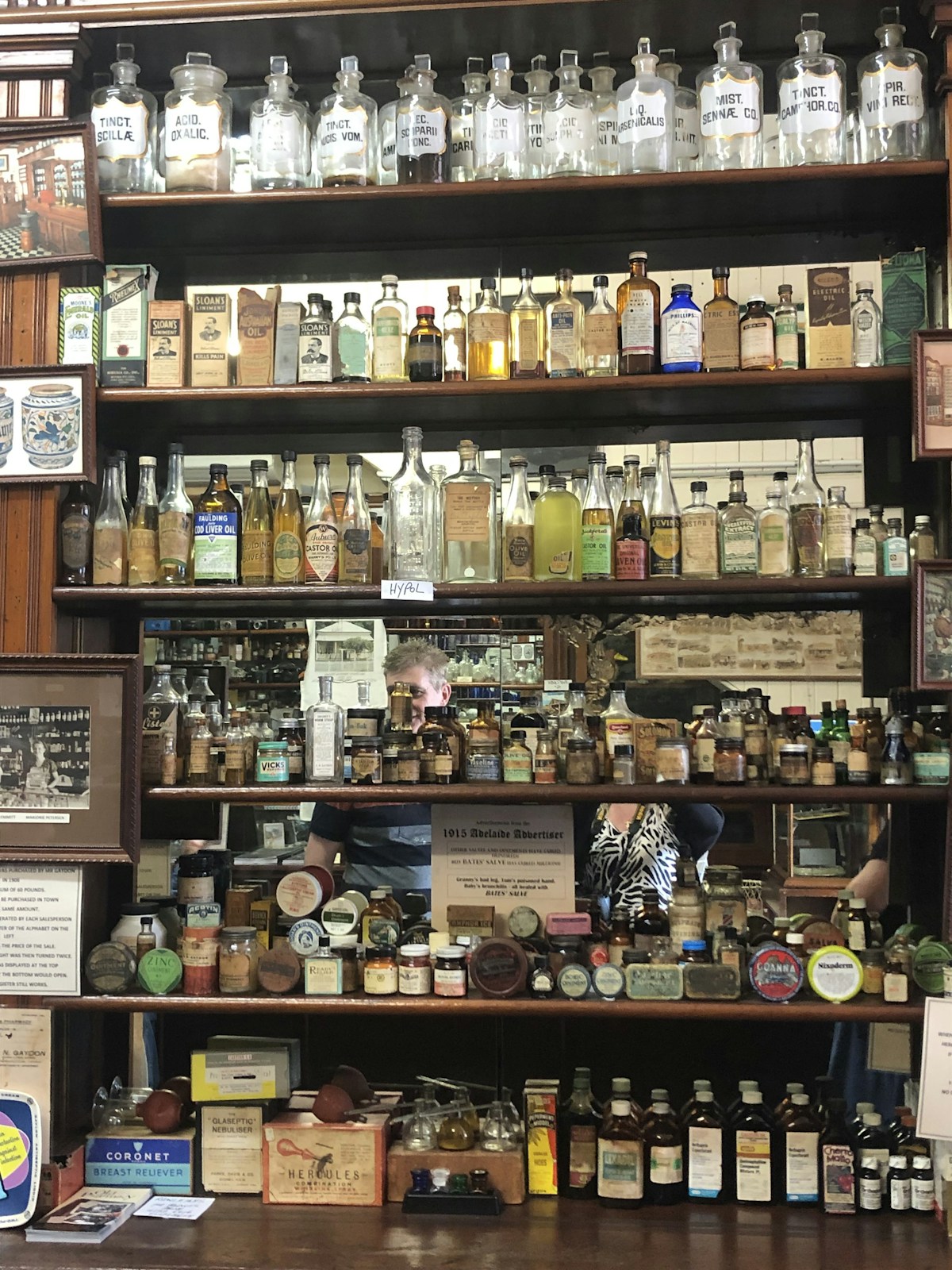
These are the phrases you hope to never use and absolutely must have. Pharmacy visits are the #3 most stressful travel situation (28% of travelers), and for good reason — translation errors here have real consequences.
43. I need a doctor
Say this, don’t type it. The urgency in your voice communicates what words might not. If you have a comprehensive travel translation toolkit set up before your trip, you’ll already have the local emergency numbers saved.
44. Where is the nearest hospital / pharmacy?
Pharmacies in many countries (France, Spain, Thailand, Japan) can handle minor medical issues without a doctor visit. In France, pharmacies are marked by green crosses and pharmacists are trained to provide medical advice. In Japan, look for the character 薬 (kusuri).
45. I’m allergic to [medication]
As critical as the food allergy phrase. Carry your allergies written in the local language. For complex medical needs, the real-time cross-language chat tools can connect you with human interpreters — don’t rely solely on AI for this one.
46. It hurts here (pointing)
The universal medical phrase plus a gesture. Doctors worldwide understand pointing. But supplement this with a translation app showing your symptoms in text, so nothing is lost to pronunciation.
47. Please call the police / ambulance
Emergency numbers to know: 112 in the EU, 911 in the US/Canada, 110 (police) and 119 (ambulance) in Japan, 000 in Australia. State your location first if calling — dispatchers can’t help if they don’t know where you are.
Digital Survival
The smartphone has rewritten the travel phrase rulebook. These three phrases didn’t exist in phrasebooks 20 years ago. Now they’re arguably more useful than anything in the “at the post office” section of a 1990s Lonely Planet guide.
48. What’s the Wi-Fi password?
Yes, this appeared earlier in the hotel section, but it’s worth repeating. At cafes, restaurants, airports, and train stations, this phrase gets you online. And being online means you can translate everything else. It’s the meta-phrase that unlocks all other phrases.
49. Where can I charge my phone?
The Tandem survey ranked this among the top digital-age survival phrases globally. Airports and train stations increasingly have charging stations, but they’re not always obvious. Coffee shops are a reliable backup — buy a drink, ask to plug in.
50. Can you write it down?
The closing phrase is also the most versatile. When pronunciation fails, written words save you. When directions are too fast, writing preserves them. When you need to show a taxi driver an address, a written note on your phone is better than attempting to pronounce a street name with four consonants in a row.
Translation Apps: What They Get Wrong
Translation apps have transformed travel — but not always for the better. A 2024 review of real-world translation app failures documented incidents ranging from comical to catastrophic:
- A French mistranslation: “I am a lawyer” became “I am an avocado” (Je suis un avocat — the word means both). Microsoft Translator got it right; Google Translate added the wrong article.
- A German train evacuation: An Arabic speaker typed a query about train car “separation.” The app rendered it as “explosion,” and 80 passengers were evacuated by police with sniffer dogs.
- A Portuguese bomb threat: A Russian tourist asked for a pomegranate drink. The app confused the words, and the waiter read it as a threat. Police searched the man’s hotel room.
The pattern is consistent: apps fail on homonyms, context, and cultural nuance. They’re tools, not translators. Use them as backup, not your only strategy.
For specific use cases — translating menus with your camera, handling PDF documents abroad, or getting real-time speech-to-text translations — we’ve covered dedicated tools in other guides. But the 50 phrases above don’t need Wi-Fi, don’t run out of battery, and never mistranslate “train separation” as “train explosion.”
The 10-Phrase Minimalist Kit
If 50 is too many, here are the 10 that cover the most ground:
- Hello
- Thank you
- Do you speak English? (asked in the local language)
- Where is the toilet?
- How much is this?
- I’m allergic to ___
- I need a doctor
- Does this [bus/train] go to ___?
- What’s the Wi-Fi password?
- Can you write it down?
Learn these ten. Write them down. Screenshot them. The average traveler learns only three phrases before a trip — ten puts you in the top percentile of prepared tourists.
Tools to Supplement Your Phrases
These 50 phrases cover face-to-face communication. For everything else — reading signs, translating documents, having real-time conversations — you’ll want digital backup.
- Google Translate: Best for broad language coverage and offline mode. Download language packs before you leave.
- DeepL: More natural-sounding translations for European languages. Better at handling nuance than Google for the languages it supports.
- Papago: The go-to for Korean, Japanese, and Chinese. Handles Asian language nuances that general translators miss.
- OpenL Translate: Supports 100+ languages with AI-powered translation that preserves meaning across context. Useful when you need more than word-for-word — like translating a full menu, a hotel policy page, or an important email while abroad. The AI handles idioms and cultural references better than traditional machine translation.
The most prepared travelers combine both: memorized phrases for speed and courtesy, plus translation tools for depth and accuracy. One handles the human moments; the other handles the paperwork.
Next time you’re standing in a pharmacy at 11pm, you won’t need to mime. You’ll have the words — and a backup plan in your pocket.