
Hindi: A Complete Guide to Devanagari, Grammar, and Conversational Fluency
 Add to Chrome
TABLE OF CONTENTS
Introduction

About 600 million people speak Hindi—345 million native speakers plus another 265 million who picked it up as a second language (estimates vary by classification and census definitions). It’s one of India’s two official languages (English is the other), the language of Bollywood, and if you’re building products for the Indian market, you’ll run into it constantly.
I won’t pretend Hindi is easy. The script looks intimidating at first, verbs change based on gender (which takes getting used to), and there’s this thing called “schwa deletion” that means words aren’t pronounced the way they’re written. But here’s the thing: once you get past the first few weeks, patterns start clicking into place.
This guide covers what actually matters: the script, sentence structure, common mistakes, and a realistic timeline for getting conversational. If you’re a translator or product person, there’s also a section on what makes Hindi text tricky in interfaces. And yes, AI translation can help, but it has its own quirks with Hindi.
What you’ll learn:
- Devanagari is a largely phonemic writing system: spelling-to-sound is fairly regular, but rules like schwa deletion mean pronunciation isn’t always obvious from the script. Many learners can start reading within 1–2 weeks.
- Hindi puts verbs at the end of sentences and uses postpositions instead of prepositions.
- Colloquial Hindi and Urdu are highly mutually intelligible—the biggest practical difference is script and formal vocabulary.
- Gender agreement trips up most learners initially. It becomes more predictable once you learn the patterns.
- Bollywood films and Hindi podcasts are genuinely useful for practice.
A brief history
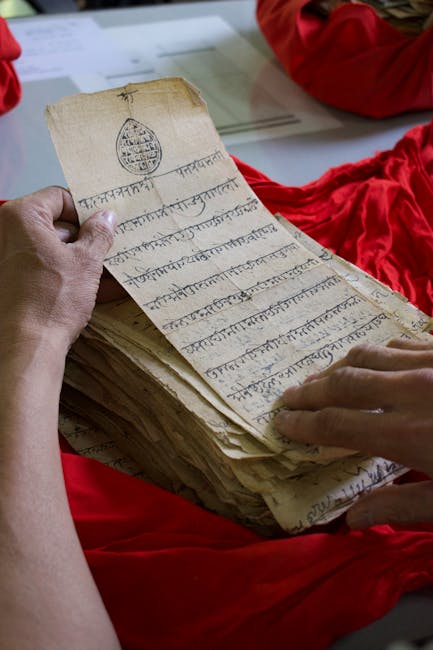
Hindi is an Indo-Aryan language that ultimately descends from Old Indo-Aryan (Sanskrit), but more directly developed through Middle Indo-Aryan varieties (Prakrits, especially Shauraseni) and Apabhramsha over many centuries. That long evolution explains why Hindi has Sanskrit-sounding words mixed with Persian loanwords mixed with English borrowed terms.
Here’s the short version:
| Period | What happened |
|---|---|
| 1500–500 BCE | Vedic Sanskrit was the language of religious texts and literature |
| 600–1000 CE | Prakrit languages developed; Shauraseni Prakrit emerged in north-central India |
| 1000–1500 CE | Early Hindi forms appeared; Persian words started entering through the Delhi Sultanate |
| 1500–1800 CE | Braj Bhasha and Awadhi dominated poetry; Mughal courts mixed Persian with local speech |
| 1800–1900 CE | Khari Boli (the Delhi dialect) became the basis for Modern Standard Hindi |
| 1949 | India adopted Hindi in Devanagari as an official language |
| 1950s–now | Bollywood and mass media spread a standardized Hindi across the country |
After independence, India needed a common language. Hindi got the job, partly for political reasons. The government pushed Sanskrit-derived vocabulary to distinguish it from Urdu, which leans on Persian and Arabic. In practice, everyday Hindi and Urdu are still mutually intelligible. The formal written versions have drifted apart.
Hindi and Urdu: closely related registers
People ask this constantly: what’s the difference between Hindi and Urdu?
Short answer: at the colloquial level, they’re largely the same spoken language with different writing systems and formal vocabulary. Someone from Delhi and someone from Lahore can have a conversation without much trouble. The differences show up when you read formal texts or watch news broadcasts.
| Aspect | Hindi | Urdu |
|---|---|---|
| Script | Devanagari (left-to-right) | Nastaliq (right-to-left) |
| Formal vocabulary | Sanskrit-derived words | Persian and Arabic loanwords |
| Official status | India (co-official with English) | Pakistan (national language) |
| Literary tradition | Chhayavaad poetry, Premchand | Ghazal poetry, Faiz Ahmed Faiz |
If you learn spoken Hindi, you’ll generally understand spoken Urdu at the conversational level. The main barrier is the script, not the grammar.
For product work: use Hindi (Devanagari) for India, Urdu (Nastaliq) for Pakistan. Casual content often works for both with minimal changes. See also our guides on Bengali and Nepali if you’re working across South Asia.
The Devanagari script

Devanagari (देवनागरी) is an abugida. That means each consonant carries a built-in vowel sound, which you can change with marks above, below, or beside the letter. Hindi, Sanskrit, Marathi, and Nepali all use it.
The basics:
- Often taught as ~11 core vowels and ~33 core consonants in modern Hindi (traditional Devanagari charts may list additional vowels/markers like ऋ, अं, अः)
- Reads left to right
- A horizontal line connects letters at the top (called शिरोरेखा)
- No capital or lowercase letters
Note: Romanization in this guide uses a diacritics-based scheme close to ISO 15919 to show vowel length and retroflex consonants. You may also see simpler spellings in apps and informal contexts (e.g., “aa/ii” instead of “ā/ī”).
Vowels
| Letter | Romanization | Sound | Example |
|---|---|---|---|
| अ | a | /ə/ (like the “a” in “about”) | अब (ab) — now |
| आ | ā | /aː/ (like “father”) | आम (ām) — mango |
| इ | i | /ɪ/ (like “sit”) | इधर (idhar) — here |
| ई | ī | /iː/ (like “see”) | ईद (īd) — Eid |
| उ | u | /ʊ/ (like “book”) | उम्र (umr) — age |
| ऊ | ū | /uː/ (like “moon”) | ऊन (ūn) — wool |
| ए | e | /eː/ (like “mail”) | एक (ek) — one |
| ऐ | ai | /ɛː/ (like “bed” but longer) | ऐसा (aisā) — like this |
| ओ | o | /oː/ (like “go”) | ओर (or) — side |
| औ | au | /ɔː/ (like “caught”) | और (aur) — and |
When a vowel follows a consonant, it becomes a diacritical mark instead of a full letter:
- क (ka) + ा = का (kā)
- क (ka) + ि = कि (ki)
- क (ka) + ु = कु (ku)
Consonants
Hindi consonants are organized by where your tongue goes in your mouth. This is actually useful once you see the pattern. The big thing for English speakers: Hindi distinguishes between aspirated and unaspirated sounds.
| Unaspirated | Aspirated | Example |
|---|---|---|
| क (ka) | ख (kha) | कल (kal, “tomorrow”) vs. खाना (khānā, “to eat/food”) |
| ग (ga) | घ (gha) | गाना (gānā, song) vs. घर (ghar, house) |
| च (ca) | छ (cha) | चाय (chāy, tea) vs. छाता (chātā, umbrella) |
| ज (ja) | झ (jha) | जाना (jānā, to go) vs. झूठ (jhūṭh, lie) |
| त (ta) | थ (tha) | ताला (tālā, lock) vs. थाली (thālī, plate) |
| द (da) | ध (dha) | दिन (din, day) vs. धूप (dhūp, sunshine) |
| प (pa) | फ (pha) | पानी (pānī, water) vs. फल (phal, fruit) |
| ब (ba) | भ (bha) | बस (bas, bus) vs. भाई (bhāī, brother) |
Put your hand in front of your mouth. Say “pa” and then “pha.” You should feel more air on the second one. That’s the difference.
Conjuncts
When consonants cluster without a vowel between them, they combine into conjuncts:
- क्ष (kṣa) = क् + ष
- त्र (tra) = त् + र
- श्र (śra) = श् + र
The halant mark (्) under a consonant removes its inherent vowel.
Schwa deletion
Here’s something that trips up learners: Devanagari writes every consonant with a built-in /ə/ sound, but spoken Hindi drops many of these. This isn’t marked in the script.
- Written: कमल (ka-ma-la) → Spoken: /kəməl/ (kamal)
- Written: सड़क (sa-ḍa-ka) → Spoken: /səɽək/ (saṛak)
You have to learn this by listening. There are patterns, but exposure matters more than rules here.
Hindi pronunciation guide
Hindi has sounds that don’t exist in English. Getting these right early saves you from habits that are hard to fix later.
Retroflex consonants
Hindi has two sets of sounds that English speakers hear as “t” and “d.” One set is dental (tongue against teeth), the other retroflex (tongue curled back).
| Dental | Retroflex | Example |
|---|---|---|
| त (t) | ट (ṭ) | तेल (tel, oil) vs. टेबल (ṭebal, table) |
| द (d) | ड (ḍ) | दाल (dāl, lentils) vs. डाल (ḍāl, branch) |
| न (n) | ण (ṇ) | (less common) |
Retroflex stops (ट/ड) are produced with the tongue curled back toward the hard palate. They are distinct from English “t/d” (which are usually alveolar). The dental sounds (त/द) are made with the tongue against the teeth, similar to how speakers of British or Indian English pronounce them.
Nasalized vowels
Chandrabindu (ँ) most clearly marks nasalized vowels:
- हाँ (hā̃) — yes
- माँ (mā̃) — mother
Anusvara (ं) often represents a nasal sound that assimilates to the following consonant (and is not always pure vowel nasalization):
- हिंदी (hindī) — Hindi (commonly pronounced with an [n] sound: hin-dī)
Aspirated voiced stops
English speakers struggle with घ, झ, ढ, ध, and भ. These are breathy-voiced, not just regular consonants with air added. Listen to native speakers and copy them. YouTube has tons of pronunciation videos.
Hindi grammar basics
Hindi grammar isn’t as complex as Sanskrit’s, but it’s different enough from English that you need to rewire some instincts.
Word order: SOV
Hindi puts verbs at the end, similar to Japanese and Korean:
| Hindi | Word-by-word | English |
|---|---|---|
| मैं चाय पीता हूँ। | I tea drink am. | I drink tea. |
| वह किताब पढ़ती है। | She book reads is. | She reads a book. |
Modifiers come before what they modify. The verb always comes last.
Postpositions instead of prepositions
English: “in the house” Hindi: “घर में” (ghar mẽ) — literally “house in”
| Postposition | Meaning | Example |
|---|---|---|
| में (mẽ) | in | घर में (ghar mẽ) — in the house |
| पर (par) | on | मेज़ पर (mez par) — on the table |
| को (ko) | to, object marker | राम को (Rām ko) — to Ram |
| से (se) | from, with, by | दिल्ली से (Dillī se) — from Delhi |
| के लिए (ke lie) | for | आप के लिए (āp ke lie) — for you |
| का/की/के (kā/kī/ke) | of (possessive) | राम का घर (Rām kā ghar) — Ram’s house |
The possessive postposition changes based on the gender of what’s possessed:
- राम का भाई (Rām kā bhāī) — Ram’s brother (masculine)
- राम की बहन (Rām kī bahan) — Ram’s sister (feminine)
- राम के दोस्त (Rām ke dost) — Ram’s friends (plural)
Gender
Every Hindi noun is masculine or feminine. No neuter. This affects adjectives and verb endings.
Rough patterns:
- Nouns ending in -ा (ā) tend to be masculine: लड़का (laṛkā, boy), कमरा (kamrā, room)
- Nouns ending in -ी (ī) tend to be feminine: लड़की (laṛkī, girl), कुर्सी (kursī, chair)
But पानी (pānī, water) is masculine despite ending in -ī. You’ll memorize exceptions as you go.
Adjectives change form:
- अच्छा लड़का (acchā laṛkā) — good boy
- अच्छी लड़की (acchī laṛkī) — good girl
Verb conjugation
Hindi verbs change for tense, aspect, gender, and number. Most tenses use a main verb stem plus auxiliary verbs.
Present habitual:
| Subject | Masculine | Feminine |
|---|---|---|
| मैं (I) | खाता हूँ (khātā hū̃) | खाती हूँ (khātī hū̃) |
| तू (you, intimate) | खाता है (khātā hai) | खाती है (khātī hai) |
| तुम (you, informal) | खाते हो (khāte ho) | खाती हो (khātī ho) |
| आप (you, formal) | खाते हैं (khāte haĩ) | खाती हैं (khātī haĩ) |
| वह (he/she) | खाता है / खाती है | — |
Past simple:
| Hindi | Meaning |
|---|---|
| मैंने खाया (maĩne khāyā) | I ate (masc.) |
| उसने किताब पढ़ी (usne kitāb paṛhī) | He/she read the book |
Here’s a quirk: in perfective past constructions with transitive verbs (typically marked with ने), Hindi shows “split ergativity”—the verb often agrees with the direct object (if it’s not marked with को), not the subject. किताब is feminine, so the verb is पढ़ी (feminine), regardless of whether the subject is male or female.
Future:
| Hindi | Meaning |
|---|---|
| मैं जाऊँगा (maĩ jāū̃gā) | I will go (masc.) |
| मैं जाऊँगी (maĩ jāū̃gī) | I will go (fem.) |
| वह आएगा / आएगी | He/she will come |
Negation
- Present/future: put नहीं (nahī̃) before the main verb — मैं नहीं जाता (I don’t go)
- Past: नहीं before the verb — मैंने नहीं खाया (I didn’t eat)
- Commands: use मत (mat) — मत जाओ (Don’t go)
Numbers
Hindi numbers from 1-100 are irregular. There’s no pattern like English “twenty-one, twenty-two.” You have to memorize each one. Sorry.
| Number | Hindi | Romanization |
|---|---|---|
| 1 | एक | ek |
| 2 | दो | do |
| 3 | तीन | tīn |
| 4 | चार | chār |
| 5 | पाँच | pā̃ch |
| 10 | दस | das |
| 20 | बीस | bīs |
| 50 | पचास | pachās |
| 100 | सौ | sau |
| 1,000 | हज़ार | hazār |
| 100,000 | लाख | lākh |
| 10,000,000 | करोड़ | karoṛ |
India uses lakh (1,00,000) and crore (1,00,00,000) instead of million and billion. Commas go in different places: 10,00,000 (ten lakh) not 1,000,000. This matters if you’re localizing products. See Why Dates and Numbers Need Localization for more.
Common mistakes
1. Gender agreement
- ❌ बड़ा लड़की (baṛā laṛkī) — using masculine adjective with feminine noun
- ✅ बड़ी लड़की (baṛī laṛkī) — big girl
2. Postposition usage with destinations
- ✅ मैं दिल्ली जाता हूँ — “I go to Delhi.” (Most common, natural usage)
- ✅ मैं दिल्ली जा रहा हूँ — “I’m going to Delhi.” (Very common in speech)
- Note: In Standard Hindi, destinations usually appear without को. Some regional or colloquial speech may use it, but it’s not the default in formal/written Hindi.
3. Wrong “you” form Hindi has three levels:
- तू (tū) — intimate or rude depending on context
- तुम (tum) — informal
- आप (āp) — formal, respectful
Use आप with anyone you don’t know well. Using तू with the wrong person is genuinely offensive.
4. Ergativity errors
- ❌ मैं ने किताब पढ़ा — masculine verb with feminine noun
- ✅ मैंने किताब पढ़ी — verb agrees with किताब (feminine)
5. Pronouncing written schwas English speakers often say every syllable:
- ❌ /ka-ma-la/ for कमल
- ✅ /kəməl/ (kamal)
Listen to native speakers. A lot.
Learning path
What actually works:
Week 1–2: Script and sounds
- Learn Devanagari vowels and consonants
- Practice reading simple words (apps like Drops help)
- Shadow native speakers 5–10 minutes daily
Week 3–4: Basic vocabulary and sentences
- Learn 200 common words (pronouns, verbs, postpositions)
- Practice SOV sentence structure
- Book a tutor on iTalki for conversation practice
Month 2–3: Grammar and conversation
- Work through present, past, and future tenses
- Keep a notebook of noun genders
- Watch Bollywood films with Hindi subtitles
Month 3–6: Immersion
- Read Hindi news (BBC Hindi, Navbharat Times)
- Listen to podcasts (Hindi Urdu Flagship, Suno India)
- Write daily journal entries and get corrections
After that:
- Read more
- Practice formal registers if you need them for work
- Use AI translation tools to check your understanding
Useful phrases
| Hindi | Romanization | Meaning |
|---|---|---|
| नमस्ते | namaste | Hello / Goodbye |
| आप कैसे हैं? | āp kaise haĩ? | How are you? (formal) |
| मैं ठीक हूँ | maĩ ṭhīk hū̃ | I’m fine |
| धन्यवाद | dhanyavād | Thank you |
| माफ़ कीजिए | māf kījie | Excuse me / Sorry |
| यह कितने का है? | yah kitne kā hai? | How much is this? |
| मुझे समझ नहीं आया | mujhe samajh nahī̃ āyā | I didn’t understand |
| कृपया धीरे बोलिए | kṛpayā dhīre bolie | Please speak slowly |
| शौचालय कहाँ है? | śaucālay kahā̃ hai? | Where is the restroom? |
| फिर मिलेंगे | phir milẽge | See you again |
Translating Hindi with OpenL
Gender agreement, formality levels, and script rendering make Hindi translation tricky, especially at scale.

OpenL Hindi Translator handles these:
- Renders Devanagari conjuncts and diacritical marks correctly
- Detects formality context (आप vs. तुम vs. तू) and adjusts verb endings
- Maintains gender agreement across adjectives and verbs
- Supports lakh/crore notation and DD-MM-YYYY dates
- Handles Hinglish (mixed Hindi-English) that’s common in urban speech
If you’re translating PDFs, business emails, or product descriptions, it’s worth trying.
Hindi localization checklist
A few things that help:
1. Check gender agreement Hindi adjectives, verbs, and possessives all reflect gender. One mismatch and native speakers notice.
2. Match formality आप (formal) vs. तुम (informal) changes verb endings. Business emails need आप. Casual chat can use तुम. English “you” doesn’t give you this information, so you have to infer from context.
3. Decide on Hinglish Urban Hindi mixes in English words constantly: “meeting में late हो जाऊँगा” (I’ll be late to the meeting). For formal documents, you might want to replace these with Hindi equivalents. For marketing copy aimed at young urban Indians, keeping them might work better.
4. Localize numbers India uses lakh and crore, not million and billion. Dates are DD-MM-YYYY. Our localization checklist covers more of this.
Quick checklist:
- Gender agreement across adjectives and verbs
- Consistent formality level
- Numbers in Indian format if appropriate
- Devanagari conjuncts rendering correctly
- Transliteration respects actual pronunciation (not written schwas)
FAQ: Learning and translating Hindi
Is Hindi hard to learn for English speakers?
Hindi has a different script, grammar structure (SOV), and sounds that don’t exist in English. However, the script is phonemic and learnable in 1–2 weeks, and grammar patterns become predictable with practice. Most learners find the first month challenging, then progress accelerates.
How long does it take to learn Devanagari?
With focused daily practice (15–30 minutes), most learners can read basic Devanagari within 1–2 weeks. Writing takes a bit longer. Apps like Drops, Duolingo, or dedicated Devanagari courses help.
Hindi vs Urdu: which should I learn for India?
For India, learn Hindi (Devanagari script). For Pakistan, learn Urdu (Nastaliq script). The spoken languages are largely mutually intelligible at the conversational level, so learning one gives you a foundation for understanding the other.
What is schwa deletion in Hindi?
Devanagari writes every consonant with an inherent /ə/ vowel, but spoken Hindi drops many of these schwas. For example, कमल is written “ka-ma-la” but pronounced “kamal” (/kəməl/). This isn’t marked in the script—you learn it through listening.
What are common Hindi localization issues?
Key issues include: Devanagari conjunct rendering (requires proper font support), nukta marks for borrowed sounds (क़, ख़, ग़, ज़, फ़), number formatting with lakh/crore instead of million/billion, DD-MM-YYYY date format, and ensuring proper Unicode normalization across platforms.
Wrapping up
Hindi is genuinely useful if you’re working with India in any capacity. The script takes a couple weeks to learn. Grammar has quirks but follows patterns. Resources are everywhere, thanks to Bollywood and a huge diaspora.
Start with the script. Build sentences. Watch movies. Talk to people. You’ll get there.
If you need to translate Hindi content, OpenL Hindi Translator handles the gender agreement and formality stuff automatically.
Sources: