Lest We Forget in 20 Languages

TABLE OF CONTENTS
“Lest” is a word most English speakers almost never use — except in one short commemorative line, carved into memorials and spoken after the Ode, that means “so that we do not forget.”
Lest We Forget in 20 Languages
Capital letters mark the stressed part of each rough pronunciation. These English-style guides cannot show tones, vowel length, or every regional accent, so treat them as a starting point.
In 2026, Remembrance Day and Armistice Day fall on Wednesday, 11 November. In Australia and New Zealand the same English line is also heard on Anzac Day (25 April). This is not a festive greeting like “Happy Diwali.” It is a caution against forgetting people who died in war, and a few rows below are official ceremonial or memorial wordings. The others are dictionary equivalents — useful for understanding the sense, but not automatically what a local ceremony says.
| Language | Phrase (native) | Romanization / rough pronunciation | Useful note |
|---|---|---|---|
| English | Lest we forget | lest wee fer-GET | The standard Commonwealth commemorative line; often the response after the Ode |
| French (Canada) | N’oublions jamais | noo-blee-ON zha-MEH | Official Canadian pairing with the English line (used by federal messages and ceremonies) |
| Welsh | Rhag i ni anghofio | hrag ee nee ang-HOV-yo | Attested on a bilingual Royal British Legion display in Builth Wells |
| Irish | Ar eagla an dearmaid | er AG-luh un JAR-mwid | de Bhaldraithe’s dictionary equivalent of “Lest we forget”; also sula ndéanfaí dearmad |
| Māori | Kei wareware tātou | kay wah-reh-WAH-reh TAH-toh | Used as the Māori heading for “Lest we forget” by Te Puni Kōkiri (NZ government) |
| Dutch | Opdat wij niet vergeten | op-DAT wai neet fer-GAY-ten | Memorial wording; a 2022 monument in Gendringen is inscribed OPDAT WE NIET VERGETEN |
| German | damit wir nicht vergessen | DA-mit veer nikht fer-GESS-en | dict.cc’s formal equivalent; a more archaic option is auf dass wir niemals vergessen mögen |
| Polish | Abyśmy nie zapomnieli | a-BISH-my nyeh za-pom-NYE-lee | The ceremonial sense listed by Wiktionary |
| Plains Cree (Y-dialect) | ka-kêhcinâhoyahk êkâ ta-kî-wanikiskisiyahk | see the source audio; lit. “to make sure that we don’t forget” | Solomon Ratt / Arok Wolvengrey via the Cree Literacy Network; a th-dialect form is also given there |
| Spanish | para que no olvidemos | PA-ra keh no ol-vee-DEH-mos | Dictionary equivalent (Reverso), not a single official motto |
| Italian | per non dimenticare | pair non dee-men-tee-KA-reh | Dictionary equivalent (Reverso); an infinitive “so as not to forget” |
| Portuguese | para que não nos esqueçamos | PA-ra keh now nooz esh-ke-SAH-moosh | Dictionary equivalent (Reverso); Brazil often drops nos: para que não esqueçamos |
| Arabic | كَيْ لا نَنْسَى | kay lā nansā — kay la NAN-sa | Dictionary equivalent (Reverso); local remembrance mottoes may differ |
| Hebrew | פֶּן נִשְׁכַּח | pen nishkach — pen nish-KHAKH | Dictionary equivalent (Reverso); פן is the Biblical Hebrew word for “lest” |
| Russian | не будем забывать | ne budem zabyvat’ — nyeh BOO-deem za-by-VAT | Dictionary equivalent (Reverso), not a set memorial formula |
| Ukrainian | не забуваймо | ne zabuvaymo — neh za-boo-VAI-mo | Dictionary equivalent (Reverso); Ukraine has its own remembrance dates and wording |
| Hindi | हम भूल न जाएँ | ham bhūl na jāẽ — hum BHOOL na jaa-EN | Dictionary equivalent (Reverso) |
| Mandarin Chinese | 勿忘英烈 | Wù wàng yīngliè — woo wang ying-LYEH | A Chinese commemorative set phrase (“do not forget the fallen heroes”), not a word-for-word calque |
| Japanese | 忘れないように | wasurenai yō ni — wah-suh-reh-NAI yoh-nee | Literal “so as not to forget” (Reverso); not a set 11 November motto |
| Korean | 잊지 않도록 | itji antorok — eet-jee an-toh-ROK | Dictionary equivalent (Reverso); 잊지 않기 위해 is also listed |
The table gives one useful default per language. It does not cover every dialect, every official order of service, or every inscription on a local memorial.
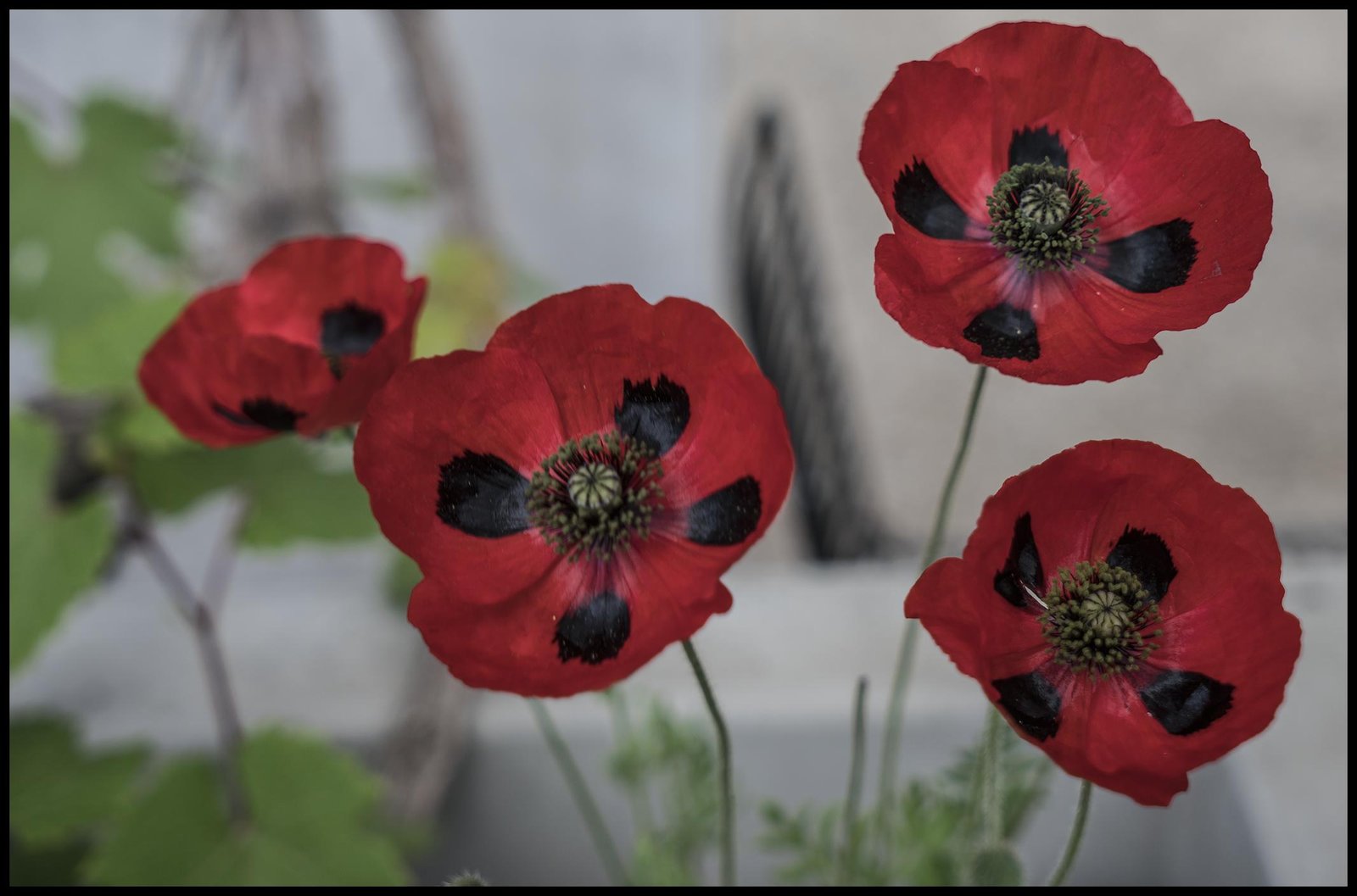
Where the Phrase Comes From
A refrain from 1897
The commemorative English line comes from Rudyard Kipling’s poem “Recessional,” written for Queen Victoria’s Diamond Jubilee and first published in The Times on 17 July 1897. Australia’s official Anzac Portal quotes the opening stanza, which ends with the refrain:
God of our fathers, known of old,
Lord of our far-flung battle line,
Beneath whose awful hand we hold
Dominion over palm and pine—
Lord God of Hosts, be with us yet,
Lest we forget—lest we forget!
The poem was not originally a war epitaph. The Australian War Memorial notes that it was composed as a jubilee hymn and later became famous as the source of the words used in Anzac ceremonies. After the First World War, the short refrain passed into common use across the Commonwealth. Australia’s Anzac Portal notes that you may now see it on honour boards, honour rolls, memorials, and wreaths.
The little word lest
Australia’s Anzac Portal glosses the whole phrase as “it should not be forgotten,” and traces lest to Old English þȳ lǣs þe (“whereby less that”). The same page says Kipling drew the sense “for fear that” from Deuteronomy 6:12. Lest now survives mainly in this idiom and in a few formal clauses, which is why a word-for-word translation can feel awkward in other languages.
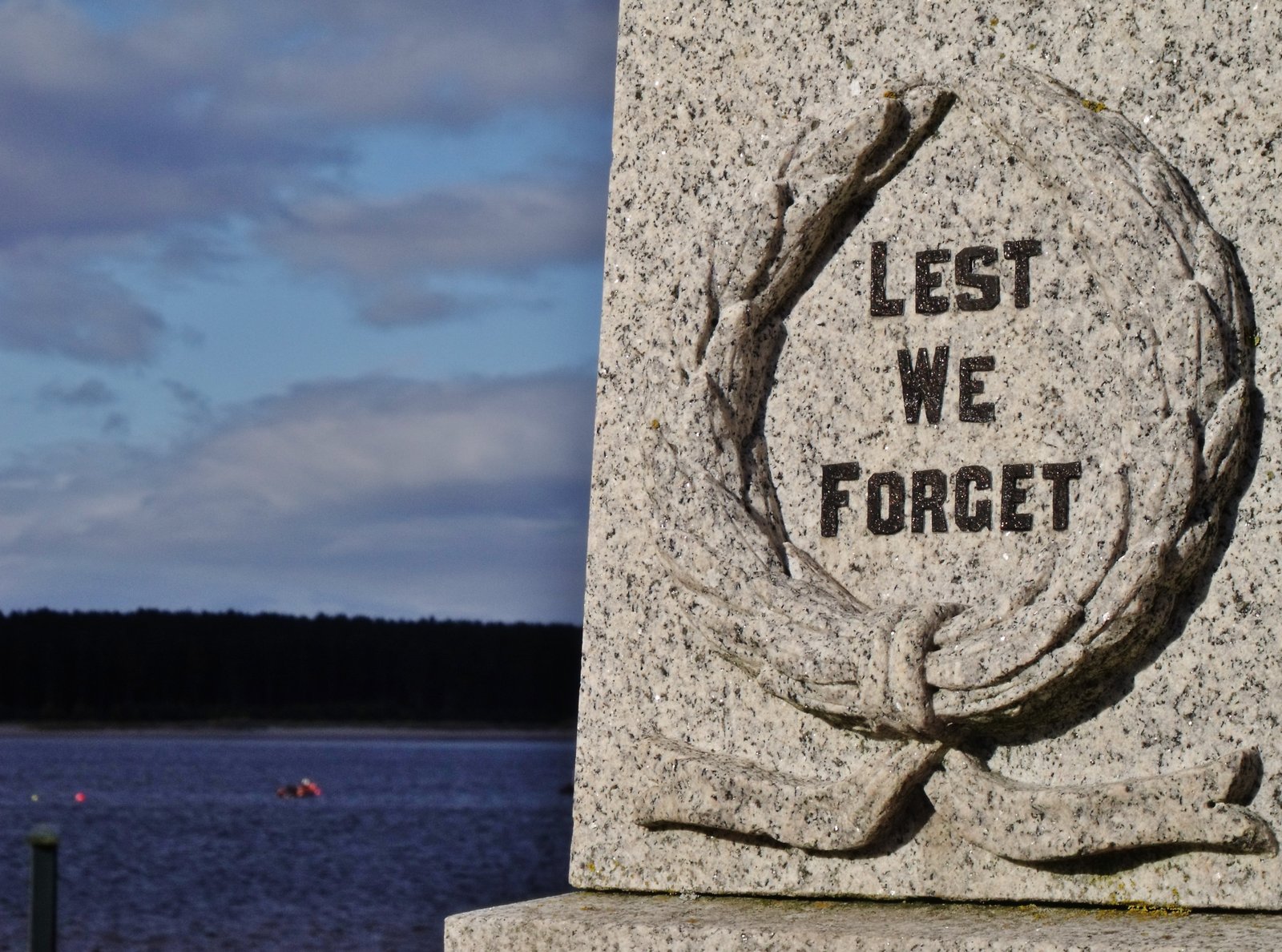
When It Is Said — and What It Is Not
On Remembrance Day, many ceremonies follow a fixed sequence. After a speaker recites the Ode of Remembrance — the fourth stanza of Laurence Binyon’s 1914 poem “For the Fallen,” ending “We will remember them” — the audience repeats those last words, pauses, and then says “Lest we forget.” That is the order described by the Anzac Portal for Australian commemorative services. Wiktionary records the same English line in UK and Canadian Remembrance Day ceremonies, and as a responsory after the Ode in Australian usage.
The two lines are related, but they are not the same sentence. “We will remember them” is a promise. “Lest we forget” is a warning not to fail at that promise. The Anzac Portal also distinguishes the phrase from everyday thanks such as “Thank you for your service”: lest we forget is an expression of mourning for the fallen, not a general thank-you to veterans.
The calendar date is shared more widely than the English wording. 11 November 2026 is Remembrance Day in Canada and Australia, and Armistice Day in France. In the United States the same date is Veterans Day, which has its own customary public language — do not assume this Commonwealth line is the local formula. In Australia and New Zealand, the English line is also central to Anzac Day on 25 April.
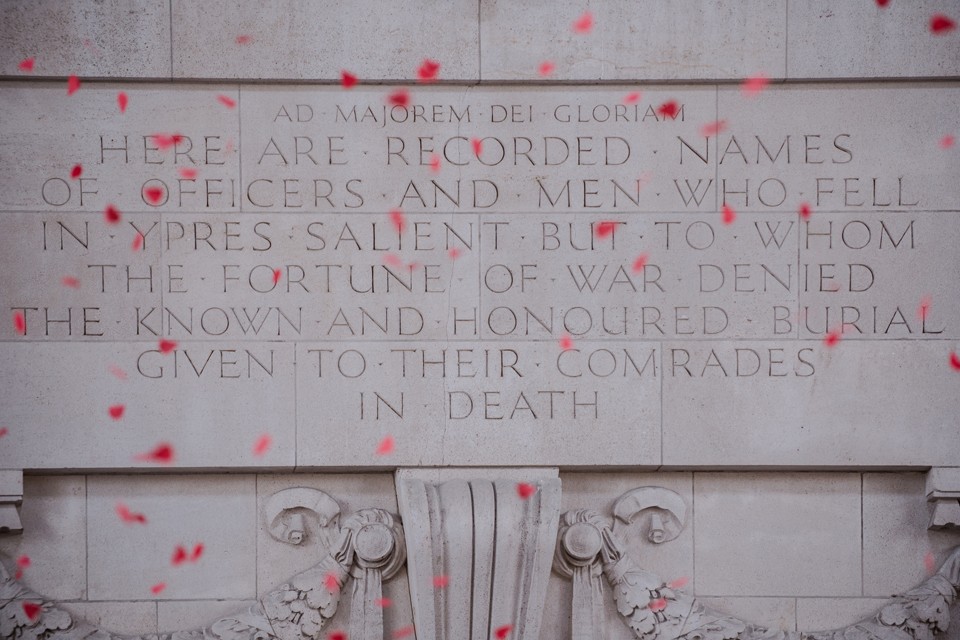
Official Motto or Dictionary Line?
A translation can be accurate and still be the wrong line to put on a wreath.
N’oublions jamais is not just a tidy French calque. It is the official Canadian French counterpart: Governor General Mary Simon ended a Remembrance Day message with “Lest we forget. N’oublions jamais,” and a 2010 Remembrance Day message from the Minister of National Defence closed with the same French line. Kei wareware tātou appears as the Māori title for “Lest we forget” on a Te Puni Kōkiri commemoration page. Rhag i ni anghofio is carved into a bilingual remembrance display in Wales. Opdat wij niet vergeten is Dutch memorial language — it is the inscription on a monument catalogued by the Netherlands’ Nationaal Comité 4 en 5 mei. Wiktionary lists abyśmy nie zapomnieli for the ceremonial sense in Polish. The Cree Literacy Network published carefully worked y- and th-dialect versions, because even in English lest is no longer an everyday word.
The Romance, Slavic, Arabic, Hebrew, and East Asian rows in the table are mostly dictionary equivalents from Reverso or bilingual dictionaries. They help you see how another language expresses “so that we do not forget.” They are not a guarantee that a local 11 November (or 4 May, or 15 August) ceremony uses that exact sentence. Mandarin 勿忘英烈, for example, is already a Chinese commemorative phrase about not forgetting the fallen; it is not a loan of Kipling’s line. When you need the words for a ceremony, match the official local wording rather than inventing a fresh calque.
How to Use the Phrase with Care
| Situation | Best approach |
|---|---|
| Remembrance or Anzac service in English | Keep the English line; it is the ceremonial formula |
| Canadian French ceremony or bilingual message | N’oublions jamais, often paired with the English line |
| Aotearoa New Zealand context where Māori is appropriate | Kei wareware tātou |
| Translating a memorial inscription | Prefer wording already used on local memorials or in an official order of service |
| Card or quiet social post on 11 November | The short line is enough; keep the tone solemn, not festive |
| Veterans Day message in the United States | Do not assume this Commonwealth line is the local formula |
| A longer sentence in a language you do not write every day | Draft carefully, then re-read names, dates, and tone |
If you are checking a full memorial sentence in another language, OpenL can help you review the wording — then confirm it against official local usage before you have it printed or read aloud.
The same “one default + pronunciation + local note” pattern is used in Happy Diwali in 20 Languages and congratulations in 20 languages. For other seasonal wording, see holiday translation fun.
FAQ
Is “Lest we forget” the same as “We will remember them”?
No. “We will remember them” closes the Ode of Remembrance, from Binyon’s “For the Fallen.” In many services the audience repeats that line, pauses, and then says “Lest we forget.” One is the Ode; the other is the response.
When is Remembrance Day in 2026?
Wednesday, 11 November 2026. Anzac Day is separately observed on 25 April.
Are all 20 lines official ceremonial translations?
No. French (Canada), Māori, Welsh, Dutch memorial wording, Polish (Wiktionary), Irish (de Bhaldraithe), and the Cree versions are attested in official, dictionary, or memorial sources as commemorative equivalents. Several other rows are dictionary renderings of the sense “so that we do not forget.” Use the note column before you treat a line as an official motto.
Are the pronunciation guides exact?
No. They are rough cues for English speakers. Welsh rh, Irish slender consonants, Arabic emphatics, Hebrew gutturals, Mandarin tones, and Cree vowel length need native audio or IPA for accuracy. For Cree, start with the recording on the Cree Literacy Network page.
Sources
- Anzac Portal: ‘Lest we forget’ as a symbol of commemoration — official Australian explanation of the meaning, the Kipling stanza, the Ode responsory, and the contrast with “thank you for your service.”
- Australian War Memorial: The Recessional — publication of Kipling’s 1897 jubilee poem in The Times and later Anzac use of the refrain.
- The Kipling Society: Recessional — publication history, including The Times, 17 July 1897.
- Time and Date: Remembrance Day 2026 in Canada — calendar date of Wednesday, 11 November 2026.
- Time and Date: Armistice Day 2026 in France — the same calendar date observed as Armistice Day.
- Wiktionary: lest we forget — etymology from “Recessional,” Remembrance Day and Anzac usage, and translations including Canadian French n’oublions jamais and Polish abyśmy nie zapomnieli.
- Governor General of Canada: Remembrance Day message (2021) — official close “Lest we forget. N’oublions jamais.”
- Minister of National Defence: Remembrance Day message (2010) — official close “N’oublions jamais.”
- Te Puni Kōkiri: Kei Wareware Tātou. Lest We Forget. — NZ government Māori/English heading for the commemorative phrase.
- Geograph: Rhag I’Ni Anghofio/Lest We Forget, Builth Wells — bilingual Royal British Legion silent-soldier inscription in Welsh and English.
- Nationaal Comité 4 en 5 mei: Gendringen, ‘Opdat we niet vergeten’ — Dutch memorial inscribed OPDAT WE NIET VERGETEN.
- dict.cc: lest we forget — German formal equivalent damit wir nicht vergessen.
- de Bhaldraithe, English–Irish Dictionary: lest — Irish equivalents ar eagla an dearmaid and sula ndéanfaí dearmad.
- Cree Literacy Network: Lest We Forget 2020 (Solomon Ratt) — y- and th-dialect Cree versions, with audio, by Solomon Ratt and Arok Wolvengrey.
- Reverso: lest we forget — dictionary translations used for the Spanish, Italian, Portuguese, Arabic, Hebrew, Russian, Ukrainian, Hindi, Mandarin, Japanese, and Korean rows.
- Wiktionary: פן — Biblical Hebrew conjunction פן, “lest.”
- Wikimedia Commons: Remembrance Day poppies — inline poppy photo (Sheba_Also, CC BY-SA 2.0).
- Wikimedia Commons: Findhorn war memorial — memorial inscribed “LEST WE FORGET” (Charles Clegg, CC BY-SA 2.0).
- Wikimedia Commons: Poppies at the Menin Gate — poppy petals at the Menin Gate, Ypres (UK Ministry of Defence, OGL 2).
- Wikimedia Commons: Poppy vector — cover thumbnail (Hyacinth45, CC BY-SA 4.0), a Canadian remembrance poppy.