40 German Proverbs with Meanings and Examples
 Add to Chrome

TABLE OF CONTENTS
Every beginning is hard, lies have short legs, and even a good thing needs time. Here are 40 German proverbs, what they actually mean, and how you might hear them.
German proverbs are called Sprichwörter (singular: Sprichwort). They are not the same as Redewendungen, the idioms you conjugate and fold into a sentence of your own (jemandem auf die Nerven gehen, “to get on someone’s nerves”). A Sprichwort is a complete, usually fixed sentence that you quote as shared wisdom. This list sticks to widely documented German forms used across Germany, Austria, and Switzerland — not one-off slogans or loosely related idioms.
Every entry gives the usual German wording, a literal translation, the real meaning, and one short example. When English has a close match, it’s included. A few have common variants, and those are noted only when they are genuinely in use.
Work, Learning, and Persistence
-
Aller Anfang ist schwer: “Every beginning is hard.” New tasks are usually hardest at the start; they get easier with practice. It is often said as encouragement, or as a kind excuse for a clumsy first try. Example: Die ersten Wochen im Kurs sind chaotisch. Aller Anfang ist schwer. (The first weeks of the course are chaotic. Every beginning is hard.)
-
Übung macht den Meister: “Practice makes the master.” You get good by repeating the work, not by waiting for talent to arrive. English: “Practice makes perfect.” Example: Das Klavier klingt noch holprig, aber Übung macht den Meister. (The piano still sounds rough, but practice makes perfect.)
-
Ohne Fleiß kein Preis: “Without diligence, no prize.” Results take real effort. A common variant is Ohne Schweiß kein Preis (“Without sweat, no prize”). English: “No pain, no gain.” Example: Wenn du die Prüfung bestehen willst: Ohne Fleiß kein Preis. (If you want to pass the exam, there’s no prize without the work.)
-
Es ist noch kein Meister vom Himmel gefallen: “No master has fallen from the sky yet.” Nobody starts out as an expert. It often follows a first mistake, in the same spirit as Aller Anfang ist schwer. Example: Der erste Auftritt war schief, aber es ist noch kein Meister vom Himmel gefallen. (The first performance went badly, but nobody starts as a master.)
-
Was Hänschen nicht lernt, lernt Hans nimmermehr: “What little Hans doesn’t learn, Hans will never learn.” Habits and skills picked up young are much harder to acquire later. Hänschen is the diminutive of Hans. Example: Fang früh mit den Vokabeln an. Was Hänschen nicht lernt, lernt Hans nimmermehr. (Start the vocabulary early. What you don’t learn as a child is much harder later.)
-
Wer rastet, der rostet: “He who rests, rusts.” If you stop practicing a skill — or stop moving — you lose it. English: “Use it or lose it.” Example: Nach der Pause gehe ich wieder joggen. Wer rastet, der rostet. (After the break I’m going running again. If you rest, you rust.)
-
Steter Tropfen höhlt den Stein: “A steady drop hollows the stone.” Small, regular effort wears down a hard problem. English: “Constant dripping wears away the stone.” Example: Jeden Tag zehn Minuten: Steter Tropfen höhlt den Stein. (Ten minutes a day: a steady drop hollows the stone.)
-
Was du heute kannst besorgen, das verschiebe nicht auf morgen: “What you can take care of today, don’t put off until tomorrow.” Do the job now; it will not get easier by waiting. English: “Don’t put off until tomorrow what you can do today.” The rhymed German form is the one people quote; older unrhymed variants with tun also exist. Example: Ich schreibe die Mail heute noch. Was du heute kannst besorgen, das verschiebe nicht auf morgen. (I’ll write the email today. Don’t put off what you can do now.)
Timing, Patience, and Opportunity
-
Gut Ding will Weile haben: “A good thing wants to have a while.” Careful work cannot be rushed without losing quality. The uninflected gut Ding is older German; in ordinary speech you would expect ein gutes Ding. Example: Die Renovierung dauert noch. Gut Ding will Weile haben. (The renovation is still going. A good thing takes time.)
-
Eile mit Weile: “Haste with leisure.” Move along, but not so fast that you slip. English: “More haste, less speed,” or “Make haste slowly.” Example: Fahr nicht über die Ampel. Eile mit Weile. (Don’t run the light. Haste with care.)
-
Morgenstund hat Gold im Mund: “The morning hour has gold in its mouth.” Early hours are valuable; getting up early pays off. A later, now common line for the same idea is Der frühe Vogel fängt den Wurm, a close match of the English “The early bird catches the worm.” The older German stock is Morgenstund hat Gold im Mund. Example: Ich lerne lieber um sieben. Morgenstund hat Gold im Mund. (I prefer to study at seven. The morning hour is golden.)
-
Frisch gewagt ist halb gewonnen: “Boldly dared is half won.” Starting with some nerve already gets you a long way. Close to: “Well begun is half done,” with more emphasis on daring than on planning. Example: Ruf endlich an. Frisch gewagt ist halb gewonnen. (Just make the call. A bold start is half the victory.)
-
Wer nicht wagt, der nicht gewinnt: “He who does not dare, does not win.” If you never take a risk, you never get the reward. English: “Nothing ventured, nothing gained.” Example: Bewirb dich einfach. Wer nicht wagt, der nicht gewinnt. (Just apply. Nothing ventured, nothing gained.)
-
Man muss das Eisen schmieden, solange es heiß ist: “You have to forge the iron while it is hot.” Act while the moment is right. English: “Strike while the iron is hot.” Example: Die Stelle ist noch frei — man muss das Eisen schmieden, solange es heiß ist. (The job is still open — strike while the iron is hot.)
-
Erst die Arbeit, dann das Vergnügen: “First the work, then the pleasure.” Finish the duty before the fun. Example: Erst die Hausaufgaben, dann das Spiel. Erst die Arbeit, dann das Vergnügen. (Homework first, then the game. Work first, then pleasure.)
-
Kommt Zeit, kommt Rat: “When time comes, counsel comes.” A solution often appears if you give the problem time; don’t force a decision tonight. Close to: “We’ll cross that bridge when we come to it.” Example: Wir müssen das noch nicht festlegen. Kommt Zeit, kommt Rat. (We don’t have to settle that yet. Time will bring the answer.)
Caution and Common Sense
-
Man soll den Tag nicht vor dem Abend loben: “One should not praise the day before the evening.” Don’t celebrate a result before it is safe. English: “Don’t count your chickens before they hatch.” Example: Der Vormittag lief gut, aber man soll den Tag nicht vor dem Abend loben. (The morning went well, but don’t praise the day before evening.)
-
Lügen haben kurze Beine: “Lies have short legs.” A lie does not travel far before it is caught. English: “A lie has no legs,” or “The truth will out.” Example: Er hat die Verspätung erfunden, aber Lügen haben kurze Beine. (He made up the delay, but lies have short legs.)
-
Ehrlich währt am längsten: “Honest lasts the longest.” In the long run, honesty holds up better than a shortcut. Währen here means “to last,” not “to prove oneself.” English: “Honesty is the best policy.” Example: Sag einfach, dass der Entwurf noch nicht fertig ist. Ehrlich währt am längsten. (Just say the draft isn’t ready. Honesty lasts longest.)
-
Hochmut kommt vor dem Fall: “Pride comes before the fall.” Overconfidence is usually followed by a setback. The thought is older than German — it is the naturalized form of a biblical line (Proverbs 16:18) — and it is fully at home as a German Sprichwort. Example: Nach dem großen Auftritt kam die Blamage. Hochmut kommt vor dem Fall. (After the big entrance came the embarrassment. Pride comes before the fall.)
-
Wer im Glashaus sitzt, soll nicht mit Steinen werfen: “Whoever sits in a glass house should not throw stones.” Don’t criticize a fault you have yourself. English: “People who live in glass houses shouldn’t throw stones.” Example: Du kommst selbst oft zu spät. Wer im Glashaus sitzt, soll nicht mit Steinen werfen. (You’re late a lot yourself. People in glass houses shouldn’t throw stones.)
-
Es ist nicht alles Gold, was glänzt: “It is not all gold that glitters.” Appearances deceive. English: “All that glitters is not gold.” Example: Das Angebot klingt perfekt, aber es ist nicht alles Gold, was glänzt. (The offer sounds perfect, but not all that glitters is gold.)
-
Eine Schwalbe macht noch keinen Sommer: “One swallow does not yet make a summer.” A single good sign is not a trend. Example: Ein guter Monat reicht nicht. Eine Schwalbe macht noch keinen Sommer. (One good month isn’t enough. One swallow doesn’t make a summer.)
-
Besser ein Spatz in der Hand als eine Taube auf dem Dach: “Better a sparrow in the hand than a dove on the roof.” A sure, smaller thing beats a larger, uncertain one. English: “A bird in the hand is worth two in the bush.” You will also hear Lieber den Spatz in der Hand… Example: Ich nehme den festen Auftrag. Besser ein Spatz in der Hand als eine Taube auf dem Dach. (I’ll take the confirmed job. A bird in the hand…)
People and Character
-
Der Apfel fällt nicht weit vom Stamm: “The apple does not fall far from the trunk.” Children take after their parents. English: “The apple doesn’t fall far from the tree.” Example: Sie diskutiert genau wie ihre Mutter. Der Apfel fällt nicht weit vom Stamm. (She argues just like her mother. The apple doesn’t fall far from the tree.)
-
Gleich und Gleich gesellt sich gern: “Like and like enjoy joining up.” People with similar tastes or habits find each other. English: “Birds of a feather flock together.” Example: Die beiden reden stundenlang über Räder. Gleich und Gleich gesellt sich gern. (The two of them talk about bikes for hours. Birds of a feather…)
-
Andere Länder, andere Sitten: “Other countries, other customs.” What’s normal changes with the place. English: “When in Rome, do as the Romans do,” though the German line is an observation more than a command. Example: Hier isst man erst um zehn. Andere Länder, andere Sitten. (Here people eat at ten. Different country, different customs.)
-
Wie man in den Wald hineinruft, so schallt es heraus: “As you call into the forest, so it echoes back.” You get back the tone you put out. English: “What goes around comes around,” in the narrower sense of how you treat people. Example: Sei freundlich am Telefon. Wie man in den Wald hineinruft, so schallt es heraus. (Be friendly on the phone. The forest echoes what you call into it.)
-
Eine Hand wäscht die andere: “One hand washes the other.” Help is often mutual — I do this for you, you do that for me. Latin manus manum lavat is the older wording. In some contexts the German line can also hint at back-scratching or a favor traded a little too neatly. Example: Ich helfe dir beim Umzug, du mir beim Streichen. Eine Hand wäscht die andere. (I’ll help you move, you help me paint. One hand washes the other.)
-
Kleider machen Leute: “Clothes make people.” How you dress shapes how you are treated. It is also the title of Gottfried Keller’s 1874 novella, which turns the proverb into a plot. Example: Für das Gespräch ziehe ich das Jackett an. Kleider machen Leute. (I’m wearing the jacket for the interview. Clothes make the person.)
-
Reden ist Silber, Schweigen ist Gold: “Speech is silver, silence is gold.” Knowing when not to talk is often more valuable than speaking. English: “Speech is silver, silence is golden.” Example: In der Runde habe ich nichts gesagt. Reden ist Silber, Schweigen ist Gold. (I didn’t say anything in the meeting. Silence is gold.)
-
Neue Besen kehren gut: “New brooms sweep well.” A new person in a role often starts with extra energy — and sometimes with extra strictness. English: “A new broom sweeps clean.” Example: Die neue Chefin ändert erst mal alles. Neue Besen kehren gut. (The new boss is changing everything at first. A new broom sweeps clean.)

Everyday Observations and Humor
-
Aus den Augen, aus dem Sinn: “Out of the eyes, out of the mind.” What you no longer see is easier to forget. English: “Out of sight, out of mind.” Example: Seit dem Umzug schreiben wir uns selten. Aus den Augen, aus dem Sinn. (Since the move we hardly write. Out of sight, out of mind.)
-
Ende gut, alles gut: “End good, all good.” If it works out in the end, the earlier mess counts for less. English: “All’s well that ends well.” Example: Der Zug hatte Verspätung, aber wir haben ihn noch erwischt. Ende gut, alles gut. (The train was late, but we still caught it. All’s well that ends well.)
-
Viele Köche verderben den Brei: “Many cooks spoil the porridge.” Too many people in charge, and the result suffers. English: “Too many cooks spoil the broth.” Example: Fünf Leute schreiben an derselben Datei. Viele Köche verderben den Brei. (Five people are editing the same file. Too many cooks spoil the broth.)
-
Wo gehobelt wird, fallen Späne: “Where [wood] is planed, shavings fall.” Real work brings small messes or side effects; don’t expect a flawless process. Close to: “You can’t make an omelet without breaking eggs.” Example: Bei der Renovierung ist eine Fliese kaputtgegangen. Wo gehobelt wird, fallen Späne. (A tile broke during the renovation. Where there’s planing, shavings fall.)
-
Wer zuerst kommt, mahlt zuerst: “Whoever comes first, grinds first.” The earliest arrival gets served first. The picture is the village mill: you waited your turn at the stones. English: “First come, first served.” Example: Die Anmeldung öffnet um acht. Wer zuerst kommt, mahlt zuerst. (Registration opens at eight. First come, first served.)
-
Vorsicht ist die Mutter der Porzellankiste: “Caution is the mother of the china cabinet.” Be careful with anything fragile — objects, or a delicate situation. The china-cabinet image is distinctly German; English has no exact match, though “better safe than sorry” is close in advice. Example: Ich packe die Tassen einzeln ein. Vorsicht ist die Mutter der Porzellankiste. (I’m wrapping the cups one by one. Caution keeps the china safe.)
-
Auch ein blindes Huhn findet mal ein Korn: “Even a blind hen finds a grain now and then.” A lucky success doesn’t prove skill; even a poor guess can be right once. It can be wry, or mildly cutting. Example: Er hat die Antwort geraten — auch ein blindes Huhn findet mal ein Korn. (He guessed the answer. Even a blind hen finds a grain sometimes.)
-
Alles hat ein Ende, nur die Wurst hat zwei: “Everything has an end; only the sausage has two.” A joking way to say that things finish, or to close a long meeting. The first half can stand alone; the sausage is the punchline. Example: So, wir sind durch. Alles hat ein Ende, nur die Wurst hat zwei. (Right, we’re done. Everything has an end — except the sausage, which has two.)

How German Proverbs Work
A few patterns make Sprichwörter easier to learn and harder to mistranslate:
| Pattern | Example | What it does |
|---|---|---|
| Wer…, der… | Wer rastet, der rostet | A condition, then the result, often with a rhyme |
| A tight rhyme | Eile mit Weile; Ohne Fleiß kein Preis | The rhyme is the memory aid, and often the only part people need |
| Older grammar | Gut Ding will Weile haben; Morgenstund hat Gold im Mund | An uninflected adjective or a clipped noun makes the line sound proverbial, not like everyday prose |
| A picture, then the point | Wo gehobelt wird, fallen Späne; Wer zuerst kommt, mahlt zuerst | An image from the workshop, the farm, or the mill does the teaching |
Speakers often introduce a proverb with wie sagt man so schön or schon klar, or they say only the first half (Morgenstund…, Wer rastet…) and trust you to finish it. That habit is why a literal machine translation of the first half can look like a broken sentence.
Some widely used lines are later matches of English or Latin sayings. Der frühe Vogel fängt den Wurm is now common German, but the older native stock for the same idea is Morgenstund hat Gold im Mund. Both are in circulation; this list prefers the longer-established German forms where they still sound natural.
If you put a proverb through a translator such as OpenL Translate, check the result against the meanings above so the idea comes through, not just the words. A literal gloss of “caution is the mother of the china cabinet” or “the morning hour has gold in its mouth” will not help a reader who needs the proverb’s point.
For the language around these lines, see German: Your Guide to Europe’s Most Spoken Native Language. For other proverb collections, try 40 Spanish Proverbs with Meanings and Examples, 40 Korean Proverbs with Meanings, Romanization, and Examples, 40 Russian Proverbs with Meanings and Transliteration, 40 Japanese Proverbs (Kotowaza) with Meanings and Romaji, or 35 Ancient Proverbs From 16 Languages.
Sources
- Category: German proverbs (Wiktionary) — dictionary entries used to check standard forms, variants, and glosses
- Verzeichnis: Deutsch/Sprichwörter (German Wiktionary) — German-language list that distinguishes fixed Sprichwörter from adaptable Redewendungen
- German proverbs (Wikiquote) — widely cited forms and English equivalents, with book sources
- DWDS — corpus-backed definitions and usage examples for entries such as aller Anfang ist schwer and eine Hand wäscht die andere
- Redensarten-Index — meanings, variants, and source notes for common German proverbs and set phrases
- Deutsches Sprichwörter-Lexikon (Wander, Internet Archive) — Karl Friedrich Wilhelm Wander’s nineteenth-century compilation of German proverb stock
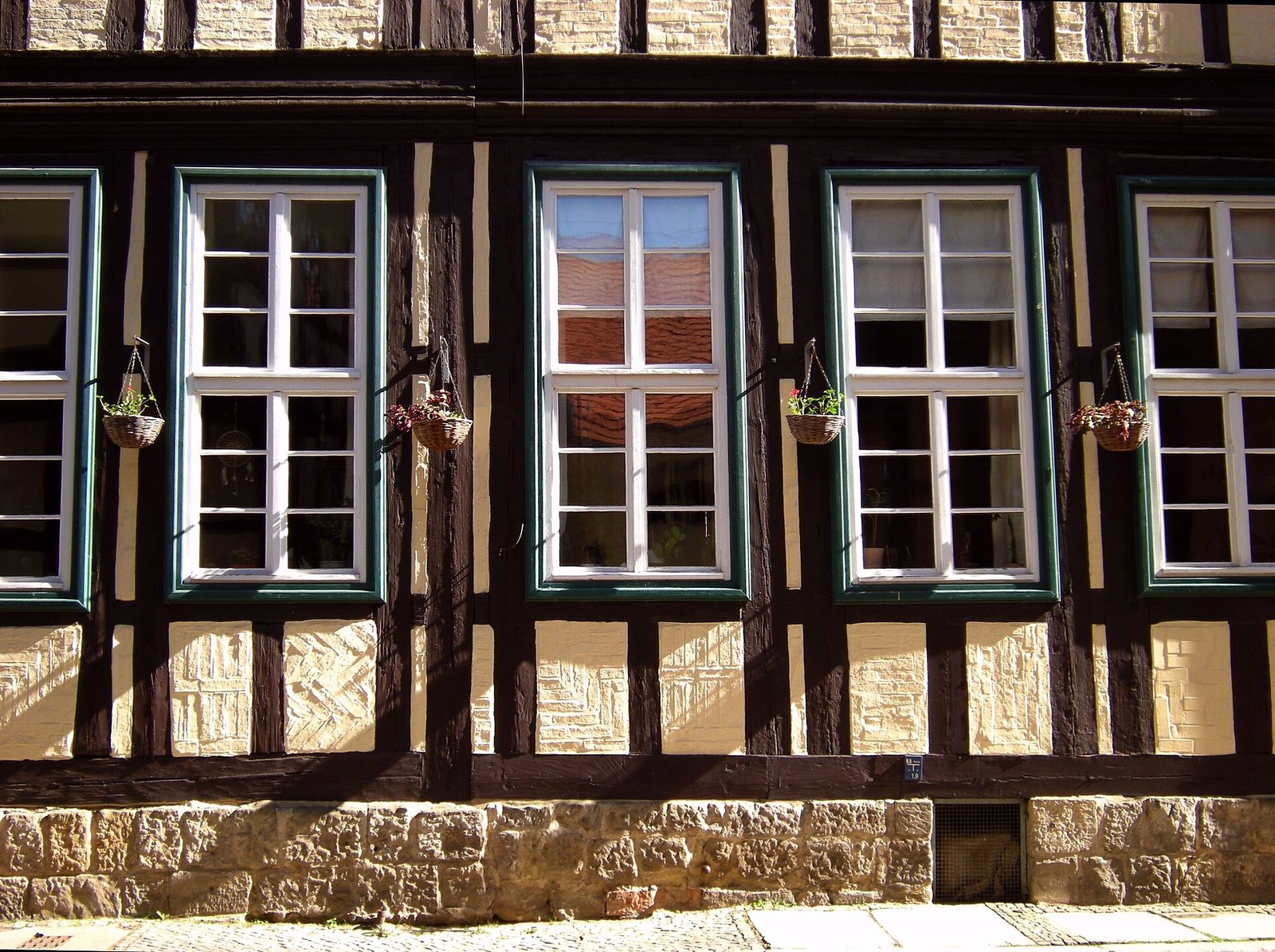
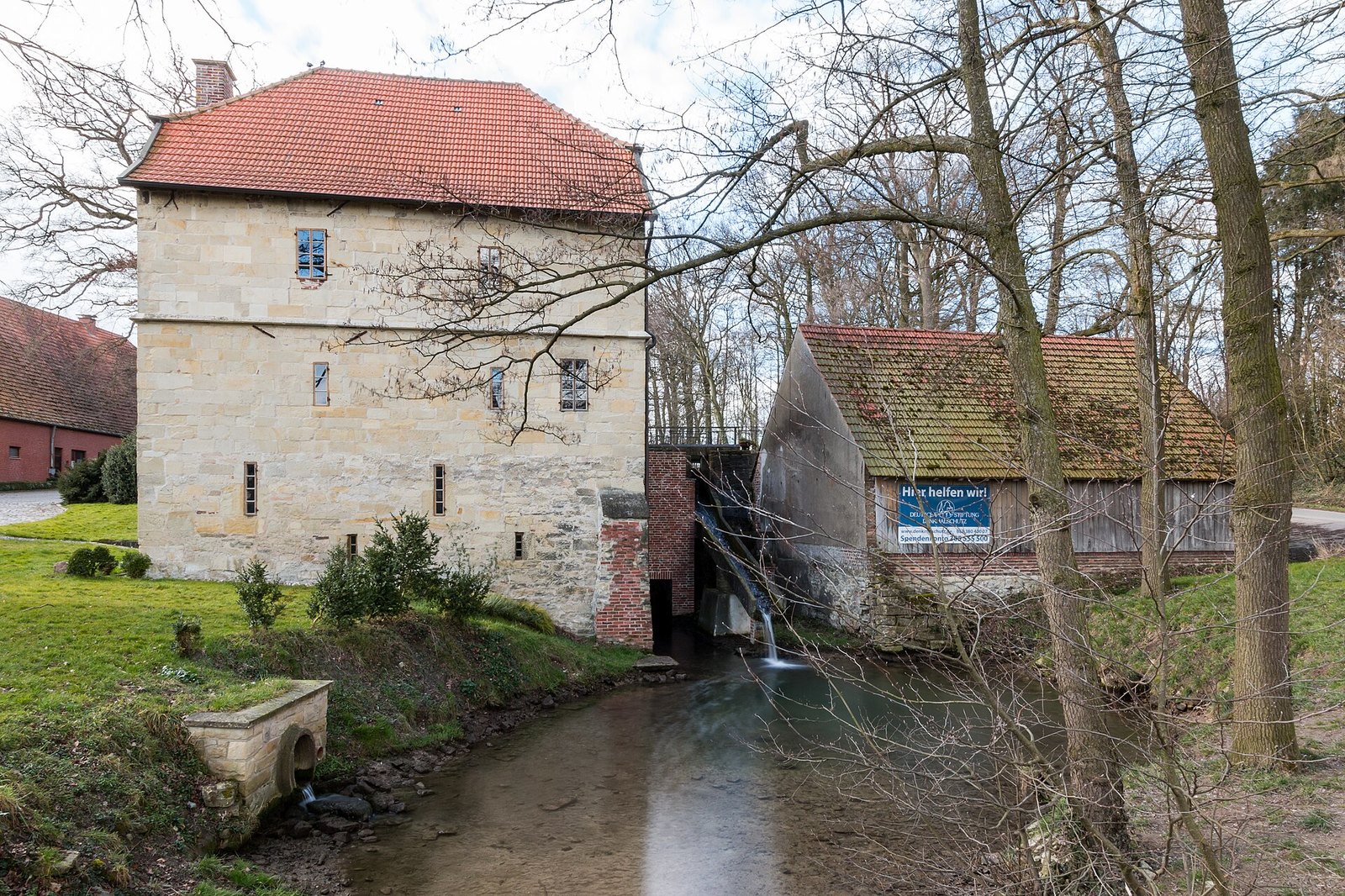
- Images: Quedlinburg half-timbered facade by Franzfoto (CC BY-SA 3.0); Schulze Westerath watermill, Nottuln by Dietmar Rabich (CC BY-SA 4.0); Heidelberg Castle and Bridge by Rane.abhijeet (CC BY 3.0); Duchess Anna Amalia Library, Weimar by Steffen Schmitz (CC BY-SA 4.0); cover icon from SVG Repo (SVG Repo License)