40 Spanish Proverbs with Meanings and Examples

TABLE OF CONTENTS
Spanish speakers often say only the first half of a proverb and trust you to finish it. Here are 40 standard refranes, what they actually mean, and how you might hear them.
Spanish proverbs are called refranes. In everyday speech people also reach for dichos, a looser word that can cover proverbs, set phrases, and slangy remarks. This list sticks to widely documented Spanish refranes — not Portuguese provérbios or Catalan refranys, even when the idea is shared across those languages.
Every entry gives the usual Spanish form, a literal translation, the real meaning, and one short example. When English has a close match, it’s included. A few have well-known regional variants, and those are noted only when they are genuinely in use.
Work, Timing, and Getting Things Done
-
A quien madruga, Dios le ayuda: “God helps the one who gets up early.” Starting early gives you an advantage. English: “The early bird catches the worm.” Example: Llegué a la cola a las siete y ya tenía entrada. A quien madruga, Dios le ayuda. (I got in line at seven and already had a ticket. The early bird gets the worm.)
-
No por mucho madrugar, amanece más temprano: “Not by getting up early a lot does dawn come sooner.” Some things will not happen before their time, no matter how hard you push. It is often used as a wry reply to the proverb above. Example: Ya envié el formulario tres veces. No por mucho madrugar, amanece más temprano. (I’ve already sent the form three times. Dawn won’t come any sooner.)
-
Más vale tarde que nunca: “Better late than never.” A delayed result is still better than none. It can sound warm, or slightly teasing, depending on the tone. Example: Por fin entregó el informe. Más vale tarde que nunca. (He finally turned in the report. Better late than never.)
-
Quien algo quiere, algo le cuesta: “Whoever wants something, it costs them something.” Worth-having things take effort or sacrifice. English: “Nothing worth having comes easy.” Example: Si quieres sacar el certificado este año, habrá que estudiar los fines de semana. Quien algo quiere, algo le cuesta. (If you want the certificate this year, you’ll have to study on weekends. Nothing worth having comes easy.)
-
No se ganó Zamora en una hora: “Zamora was not won in an hour.” Big jobs take time. The line points to the long medieval siege of Zamora; a close cousin is Roma no se hizo en un día (“Rome wasn’t built in a day”). Example: Llevamos solo un mes con el curso. No se ganó Zamora en una hora. (We’ve only been at the course for a month. This won’t be finished overnight.)
-
A la tercera va la vencida: “The third time is the winning one.” After two misses, the next try may be the one that works. English: “Third time’s the charm.” Example: Fallé dos veces el examen de conducir. A la tercera va la vencida. (I failed the driving test twice. Third time’s the charm.)
-
Quien mucho abarca, poco aprieta: “Whoever embraces too much, squeezes little.” If you take on too many things at once, you do none of them well. English: “Don’t bite off more than you can chew.” Example: Aceptó cinco proyectos a la vez y no terminó ninguno. Quien mucho abarca, poco aprieta. (She took on five projects at once and finished none of them.)
-
Del dicho al hecho hay mucho trecho: “From the saying to the deed there is a long stretch.” Promising is easy; doing is harder. English: “Easier said than done.” People often trail off after Del dicho al hecho… Example: Dijo que iba a mudarse en un mes, pero del dicho al hecho hay mucho trecho. (He said he’d move in a month, but that’s easier said than done.)
Caution and Common Sense
-
Más vale prevenir que curar: “Better to prevent than to cure.” A little care now beats a mess later. English: “Prevention is better than cure” or “Better safe than sorry.” A common variant is Más vale prevenir que lamentar (“better to prevent than to regret”). Example: Voy a hacer una copia del archivo antes de editarlo. Más vale prevenir que curar. (I’m going to back up the file before I edit it. Better safe than sorry.)
-
Más vale pájaro en mano que ciento volando: “A bird in the hand is worth more than a hundred flying.” A sure thing beats a larger, uncertain chance. English says “two in the bush”; Spanish raises the stakes to a hundred. People often shorten it to más vale pájaro en mano. Example: La otra oferta suena mejor, pero no está firmada. Más vale pájaro en mano que ciento volando. (The other offer sounds better, but it isn’t signed. A bird in the hand is worth two in the bush.)
-
No es oro todo lo que reluce: “Not all that shines is gold.” A good-looking surface can hide a poor deal. English: “All that glitters is not gold.” You may also hear No todo lo que brilla es oro. Example: El piso se veía precioso en las fotos, pero no es oro todo lo que reluce. (The apartment looked lovely in the photos, but all that glitters is not gold.)
-
En boca cerrada no entran moscas: “Flies do not enter a closed mouth.” Keeping quiet can keep you out of trouble. English: “Silence is golden,” though the Spanish picture is more practical than poetic. Often shortened to En boca cerrada… Example: En la reunión no comenté el rumor. En boca cerrada no entran moscas. (I didn’t mention the rumor in the meeting. Better to keep quiet.)
-
Cuando el río suena, agua lleva: “When the river makes noise, it is carrying water.” Persistent talk usually has some truth in it. English: “Where there’s smoke, there’s fire.” Example: Llevan semanas diciendo que van a cerrar la oficina. Cuando el río suena, agua lleva. (They’ve been saying for weeks that the office will close. Where there’s smoke, there’s fire.)
-
Agua que no has de beber, déjala correr: “Water you are not going to drink, let it run.” Don’t meddle in what isn’t yours or won’t help you. Example: Esa discusión no es tuya. Agua que no has de beber, déjala correr. (That argument isn’t yours. Let it go.)
-
A caballo regalado no le mires el diente: “On a gift horse, don’t look at the tooth.” Don’t pick apart something given freely. English: “Don’t look a gift horse in the mouth.” The wording varies (no se le mira el diente, no le mires los dientes). Example: El hotel no tiene gimnasio, pero nos lo pagó la empresa. A caballo regalado no le mires el diente. (The hotel has no gym, but the company paid for it. Don’t look a gift horse in the mouth.)
-
Más vale malo conocido que bueno por conocer: “Better a known bad than a good yet to be known.” A familiar flaw can be safer than an untested alternative. English: “Better the devil you know than the devil you don’t.” Example: Pensé en cambiar de proveedor, pero más vale malo conocido que bueno por conocer. (I thought about switching suppliers, but better the devil I know.)
People and Character
-
Dime con quién andas, y te diré quién eres: “Tell me who you walk with, and I’ll tell you who you are.” Your company says a lot about you. Example: Se junta siempre con gente que no deja trabajar. Dime con quién andas y te diré quién eres. (He always hangs around with people who don’t let anyone work. You can tell a person by the company they keep.)
-
De tal palo, tal astilla: “From such a stick, such a splinter.” Children often resemble their parents in habit or talent. English: “Like father, like son” (or “like mother, like daughter”). Example: Su hija ya organiza los viajes igual que ella. De tal palo, tal astilla. (Her daughter already plans trips the same way she does. Like mother, like daughter.)
-
En casa del herrero, cuchillo de palo: “In the blacksmith’s house, a wooden knife.” People sometimes lack at home the very thing they provide for others. English: “The cobbler’s children go barefoot.” En casa de herrero (without del) is also common. Example: Mi hermano es informático y en casa se cae la red cada semana. En casa del herrero, cuchillo de palo. (My brother is an IT specialist and the home network dies every week. The cobbler’s children go barefoot.)
-
Dios los cría y ellos se juntan: “God raises them and they get together.” Similar people find each other. English: “Birds of a feather flock together.” It can be fond, or a little cutting. Example: Los dos llegaron tarde y se pusieron a hablar de fútbol. Dios los cría y ellos se juntan. (They both arrived late and started talking about football. Birds of a feather.)
-
El hábito no hace al monje: “The habit does not make the monk.” Clothes and titles do not prove what someone is. English: “Clothes do not make the man.” Example: Lleva traje y tarjeta de visita, pero el hábito no hace al monje. (He wears a suit and carries a business card, but clothes don’t make the man.)
-
Aunque la mona se vista de seda, mona se queda: “Even if the monkey dresses in silk, it remains a monkey.” A costume does not change the underlying thing. Close English idea: “You can’t make a silk purse out of a sow’s ear.” Example: Le pusieron un nombre nuevo al mismo plan. Aunque la mona se vista de seda, mona se queda. (They gave the same plan a new name. A monkey in silk is still a monkey.)
-
Más vale solo que mal acompañado: “Better alone than badly accompanied.” Bad company is worse than no company. Example: Preferí ir al cine sin nadie. Más vale solo que mal acompañado. (I’d rather go to the cinema alone. Better alone than in bad company.)
-
Genio y figura hasta la sepultura: “Temper and appearance until the grave.” A person’s basic character is hard to change. English: “A leopard can’t change its spots.” Example: A los ochenta sigue discutiendo de política en cada comida. Genio y figura hasta la sepultura. (At eighty he still argues about politics at every meal. A leopard can’t change its spots.)

Hardship, Luck, and Making Do
-
Al mal tiempo, buena cara: “To bad weather, a good face.” Meet a setback with as much good humor as you can. A frequent variant is A mal tiempo, buena cara. It is encouragement, not a demand that you pretend nothing is wrong. Example: Se canceló el tren y nos fuimos a merendar. Al mal tiempo, buena cara. (The train was canceled, so we went for a snack. When life gives you lemons…)
-
No hay mal que por bien no venga: “There is no bad that does not come for some good.” A disappointment can open a better door. English: “Every cloud has a silver lining.” Use it gently; after a serious loss it can sound thin. Example: Perdí ese trabajo y acabé en uno que me gusta más. No hay mal que por bien no venga. (I lost that job and ended up in one I like more. Every cloud has a silver lining.)
-
A falta de pan, buenas son tortas: “If there is no bread, tortas will do.” When you can’t have exactly what you wanted, make do with what is on hand. English: “Half a loaf is better than none,” and sometimes “Beggars can’t be choosers.” In much of Mexico and Central America a common wording is A falta de pan, tortillas, swapping in a local staple. Here tortas means a humble stand-in for bread, not a dessert. Example: No quedaban sillas en la sombra, así que nos sentamos en el muro. A falta de pan, buenas son tortas. (There were no seats left in the shade, so we sat on the wall. Half a loaf is better than none.)
-
A lo hecho, pecho: “To what is done, [offer] your chest.” Face what already happened and keep going. English: “What’s done is done,” with a note of “face the music.” Example: Ya envié el correo con el error. A lo hecho, pecho; ahora lo corrijo. (I already sent the email with the mistake. What’s done is done; now I’ll fix it.)
-
Camarón que se duerme se lo lleva la corriente: “The shrimp that falls asleep is carried away by the current.” If you stop paying attention, the chance moves on without you. English: “You snooze, you lose.” The saying is especially common in Mexico and elsewhere in Latin America; speakers in Spain usually understand it, but may use it less. Example: Las entradas se agotaron en una hora. Camarón que se duerme se lo lleva la corriente. (The tickets sold out in an hour. You snooze, you lose.)
-
El que va a Sevilla pierde su silla: “The one who goes to Seville loses their chair.” If you leave your place, someone else may take it. A very common rhyming form is Quien fue a Sevilla perdió su silla. In Mexico you may also hear El que se va a la villa pierde su silla. Example: Me levanté un momento y ya no tenía asiento. El que va a Sevilla pierde su silla. (I got up for a moment and my seat was gone.)
-
A buen hambre no hay pan duro: “To a good hunger there is no hard bread.” When you really need something, you stop being picky. English: “Hunger is the best sauce.” Example: Después de la caminata, hasta el bocadillo seco estaba bueno. A buen hambre no hay pan duro. (After the hike, even the dry sandwich tasted fine.)
-
A palabras necias, oídos sordos: “To foolish words, deaf ears.” Ignore nonsense rather than argue with it. Example: En los comentarios había de todo. A palabras necias, oídos sordos. (The comments were a mixed bag. I didn’t engage with the foolish ones.)
Everyday Observations
-
Mucho ruido y pocas nueces: “A lot of noise and few walnuts.” A big fuss can hide a thin result. English: “Much ado about nothing.” Example: Anunciaron un cambio enorme y apenas movieron una fecha. Mucho ruido y pocas nueces. (They announced a huge change and barely moved a date. Much ado about nothing.)
-
Una golondrina no hace verano: “One swallow does not make a summer.” A single case does not prove a trend. (It does not mean “ask for help,” a meaning sometimes attached to this line in careless listicles.) Example: Vendimos bien el lunes, pero una golondrina no hace verano. (We sold well on Monday, but one good day doesn’t make a summer.)
-
Perro ladrador, poco mordedor: “A barking dog is a small biter.” Loud threats are often weaker than they sound. English: “His bark is worse than his bite.” Example: Grita mucho en las reuniones, pero perro ladrador, poco mordedor. (He shouts a lot in meetings, but his bark is worse than his bite.)
-
Ojos que no ven, corazón que no siente: “Eyes that do not see, heart that does not feel.” What you don’t witness is easier not to grieve over. English: “Out of sight, out of mind,” or “What the eye doesn’t see, the heart doesn’t grieve over.” Example: No le conté el retraso hasta tener una fecha nueva. Ojos que no ven, corazón que no siente. (I didn’t tell her about the delay until I had a new date. What the eye doesn’t see…)
-
Zapatero, a tus zapatos: “Cobbler, to your shoes.” Stick to what you know; don’t hold forth outside your field. English: “Cobbler, stick to your last.” Example: El diseñador quería reescribir el contrato. Zapatero, a tus zapatos. (The designer wanted to rewrite the contract. Stick to what you know.)
-
El mundo es un pañuelo: “The world is a handkerchief.” You bump into the same people in unexpected places. English: “It’s a small world.” Example: Me encontré a mi profesora de instituto en Lisboa. El mundo es un pañuelo. (I ran into my high-school teacher in Lisbon. It’s a small world.)
-
Allá donde fueres, haz lo que vieres: “Wherever you should go, do what you see.” Follow local custom when you are the guest. English: “When in Rome, do as the Romans do.” Example: En esa oficina comen todos a las tres. Allá donde fueres, haz lo que vieres. (In that office everyone eats at three. When in Rome…)
-
Agua pasada no mueve molino: “Past water does not move a mill.” What is already over cannot do more work for you, so don’t keep turning it over. English: “It’s water under the bridge.” Example: La discusión de ayer ya está zanjada. Agua pasada no mueve molino. (Yesterday’s argument is already settled. It’s water under the bridge.)
How Spanish Proverbs Work
A few patterns make refranes easier to learn and harder to mistranslate:
| Pattern | Example | What it does |
|---|---|---|
| Two rhyming halves | El que va a Sevilla / pierde su silla | The rhyme is the memory aid, and often the only part people say |
| Más vale X que Y | Más vale pájaro en mano que ciento volando | A compact comparison: this sure thing beats that risk |
| A picture, then the point | En casa del herrero, cuchillo de palo | An image does the teaching; the moral is left implied |
| A trailing first half | Del dicho al hecho…, En boca cerrada… | Listeners are expected to finish the line |
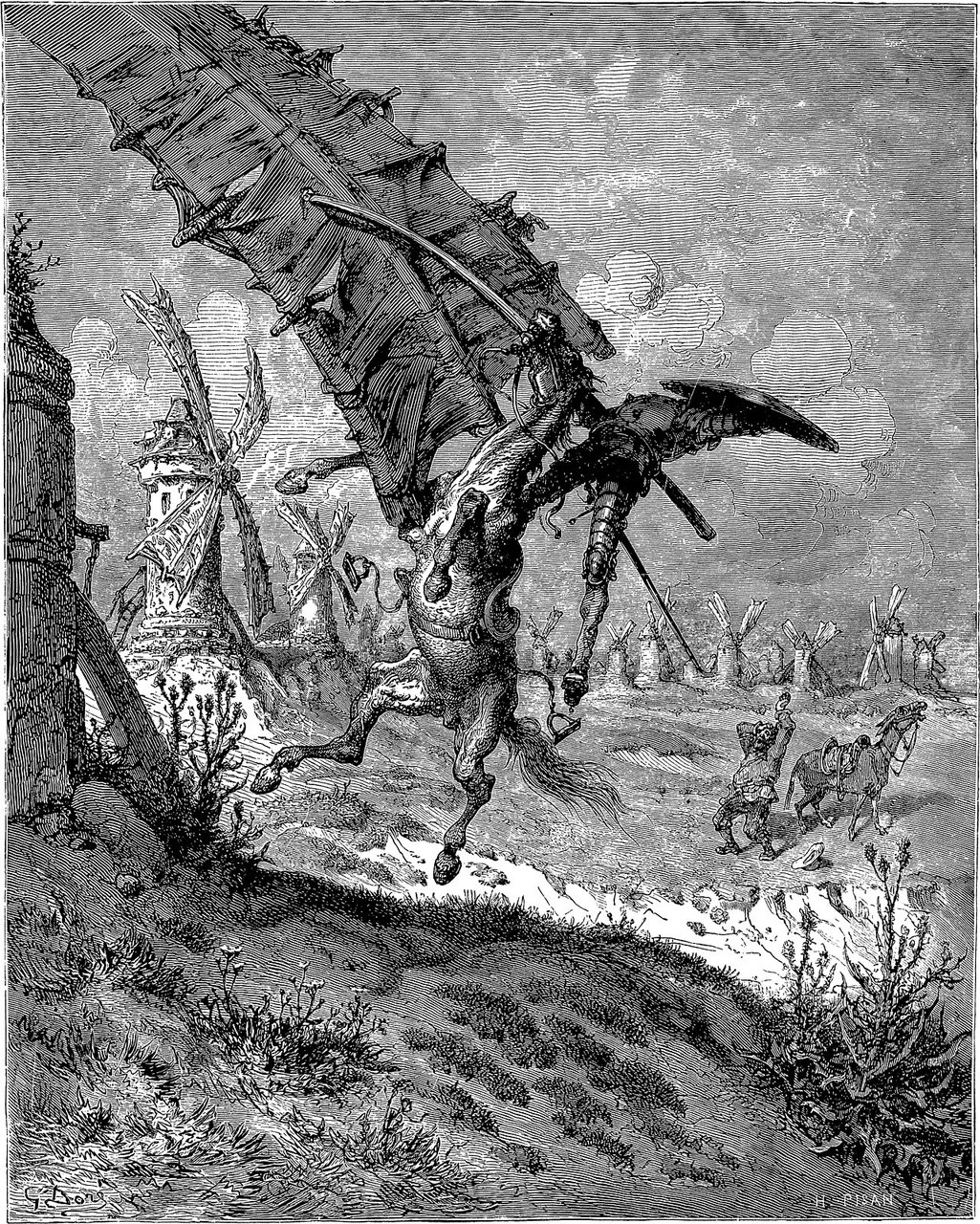
Speakers often introduce a proverb with como dice el refrán, ya sabes, or como decía mi abuela, which frames it as shared wisdom rather than a lecture. Idioms are a different species: luchar contra molinos de viento (“to tilt at windmills”) comes from Cervantes, not from the proverb stock above.
Regional wording is real, but the idea usually travels. A falta de pan, tortillas and el que se va a la villa pierde su silla are familiar in parts of Mexico; camarón que se duerme… is heard more often in Latin America than in Spain. The forms in the list are the ones widely recorded in Spanish proverb dictionaries.
If you put a proverb through a translator such as OpenL Translate, check the result against the meanings above so the idea comes through, not just the words. A literal gloss of “the world is a handkerchief” or “Zamora was not won in an hour” will not help a reader who needs the proverb’s point.
For the language around these lines, see Spanish: From Latin Roots to Global Fluency, How to Learn Spanish, and Mexican Spanish: An Introduction and Learning Guide. For other proverb collections, try 40 Korean Proverbs with Meanings, Romanization, and Examples, 40 Russian Proverbs with Meanings and Transliteration, or 35 Ancient Proverbs From 16 Languages.
Sources
- Category: Spanish proverbs (Wiktionary) — dictionary entries used to check standard forms, variants, and glosses
- Spanish proverbs (Wikiquote) — widely cited forms and English equivalents, with book sources
- Refranero multilingüe (Instituto Cervantes, Centro Virtual Cervantes) — official paremiology project on Spanish refranes and their equivalents in other languages
- Refranes and how they are used (Spark AI Language) — notes on shortening, framing (como dice el refrán), and register
- 15 refranes españoles para estudiantes de español (Refranle) — usage notes, including the stronger Latin American circulation of Camarón que se duerme…